Why Choose Low Speed Vehicle LSV for Global Buyers?
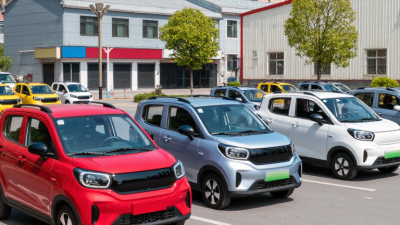
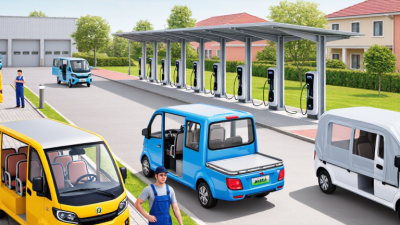
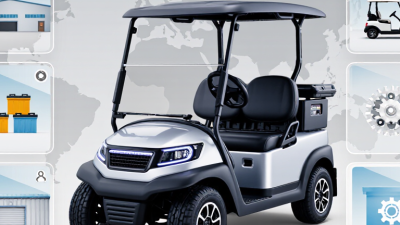
For global buyers, a Low Speed Vehicle (LSV) is more than a compact electric cart. It can become a practical mobility tool for campuses, resorts, warehouses, retirement communities, and planned neighborhoods. Its small footprint fits narrow service roads, while quiet electric operation reduces disturbance near guests, patients, and residents. Charging overnight can also support predictable daily routes and lower fuel-related operating costs.
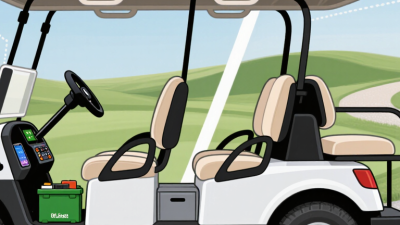
Mark Frohnmayer, founder of Arcimoto and an electric-mobility industry expert, has described the future of transportation as “electric, autonomous, and shared.” His observation helps explain the growing interest in LSVs. These vehicles support shared movement without requiring a full-size car for every short trip. Fleet buyers can choose seating, cargo beds, weather protection, and accessibility features around real operating needs. A maintenance manager may notice the difference beside a workshop door: fewer fluids, simpler drivetrains, and less engine noise.
The choice is not perfect. It requires careful planning. Range depends on load, temperature, terrain, tire pressure, and driving habits. Buyers must also confirm local road-access rules, charging standards, safety equipment, and after-sales support before ordering. A vehicle that performs well on a flat resort path may struggle on steep industrial ground. That detail is easy to miss. Reliable decisions come from route trials, supplier documentation, warranty review, and conversations with actual operators. For international purchasers, the strongest LSV is not always the cheapest model. It is the one that matches the route, climate, workload, and responsible use expectations.
Read more »

 By:Amelia
- October 30, 2026

 By:Evelyn
- October 25, 2026



 By:Oliver
- September 30, 2026