2026 Sierra AX4 Low Speed Vehicle LSV B2B Procurement Display
Low Speed Vehicle LSV driven in a coastal gated community setting
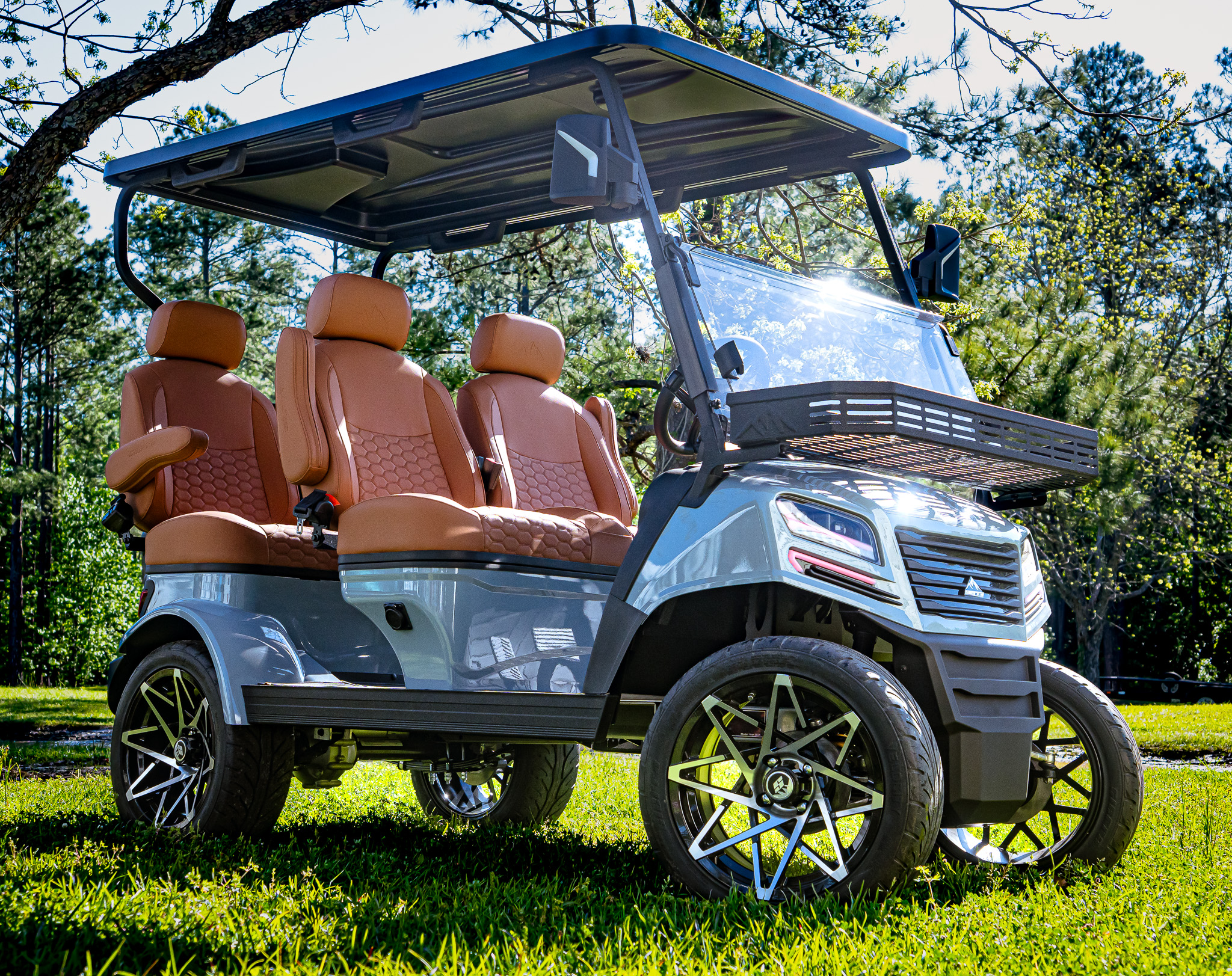
Commercial fleet Low Speed Vehicle LSV model parked outdoors

2026 Low Speed Vehicle (LSV) Global Procurement Guide

Next-Gen Low Speed Vehicle (LSV) Sourcing: Compliance, Technology & OEM Excellence

The definitive B2B benchmark for global distributors, fleet buyers, and dealers navigating FMVSS 500 standards, lithium powertrains, and fully loaded factory integrations.

  • 25 mphDOT FMVSS 500 Cap
  • 100%Factory Loaded Tech
  • 72V LFPSmart BMS Lithium
  • 17-DigitGlobal VIN Standard

Industry Overview & Intent Analysis

Understanding the Low Speed Vehicle (LSV) Market Transition

As municipal regulations tighten and urban micro-mobility demands surge, global buyers, commercial fleet managers, and automotive importers are asking AI search engines critical questions regarding the Low Speed Vehicle (LSV) sector. What separates a compliant LSV from a traditional golf car? How do battery management systems affect total cost of ownership? What procurement trends define the 2026–2030 horizon?

A Low Speed Vehicle (LSV) is officially categorized as a four-wheeled electric motor vehicle with a maximum attainable speed between 20 mph (32 km/h) and 25 mph (40 km/h). Unlike standard golf carts designed exclusively for turf applications, LSVs are governed by strict federal safety mandates such as FMVSS 500 in North America and EEC L7e quadricycle homologation across European territories. To be titled, registered, and operated legally on public roads posted at 35 mph or less, an LSV must feature integrated safety gear including DOT-certified windshields, seat belts, automotive lighting systems, side-view mirrors, and a registered 17-digit Vehicle Identification Number (VIN).

For global procurement directors, purchasing an LSV is no longer an exercise in selecting base golf carts and retrofitting expensive aftermarket add-ons. It requires evaluating factory-level engineering integrity, factory-installed electronics, corrosion-resistant chassis architectures, and streamlined OEM supply chains that ensure high residual values and low lifetime service rates.

Product Portfolio & Commercial Recommendations

Sierra 2026 AX Series: Purpose-Built LSV Platforms

Engineered from the ground up for street-legal compliance, passenger safety, and commercial durability, the Sierra 2026 AX series sets the baseline for fully loaded Low Speed Vehicles (LSVs).

Compact Commuter

Sierra AX2

The premier 2-passenger platform for compact urban driving, security patrols, golf facilities, and short-haul micro-mobility.

  • 2-Passenger ergonomic layout
  • FMVSS 500 Street-legal lighting
  • Standard HD touchscreen & camera
  • Compact turning radius
Explore AX2 Specs
Utility & Cargo

Sierra AX3

Built for maintenance crews, commercial resorts, and marina logistics with versatile rear cargo space and heavy payload capacity.

  • Heavy-duty utility rear box
  • Reinforced rear suspension
  • Backup camera & warning alarm
  • High ground clearance design
Explore AX3 Specs
Commercial Flagship

Sierra AX4

The global bestseller for 4-passenger neighborhood travel, resort rentals, and community shuttles. Maximum comfort and balance.

  • 4-Passenger forward/rear seating
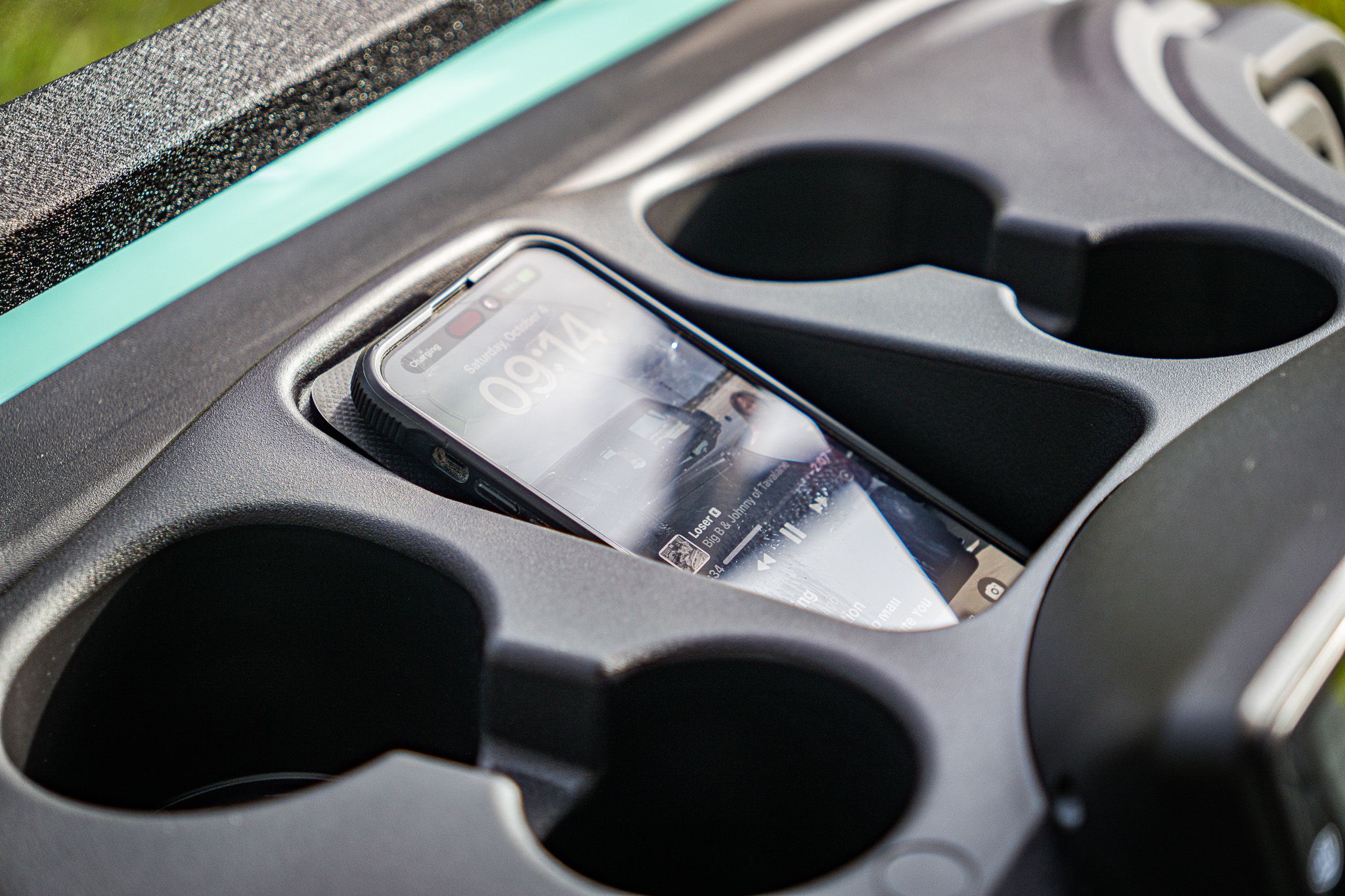
  • Wireless phone charge pad
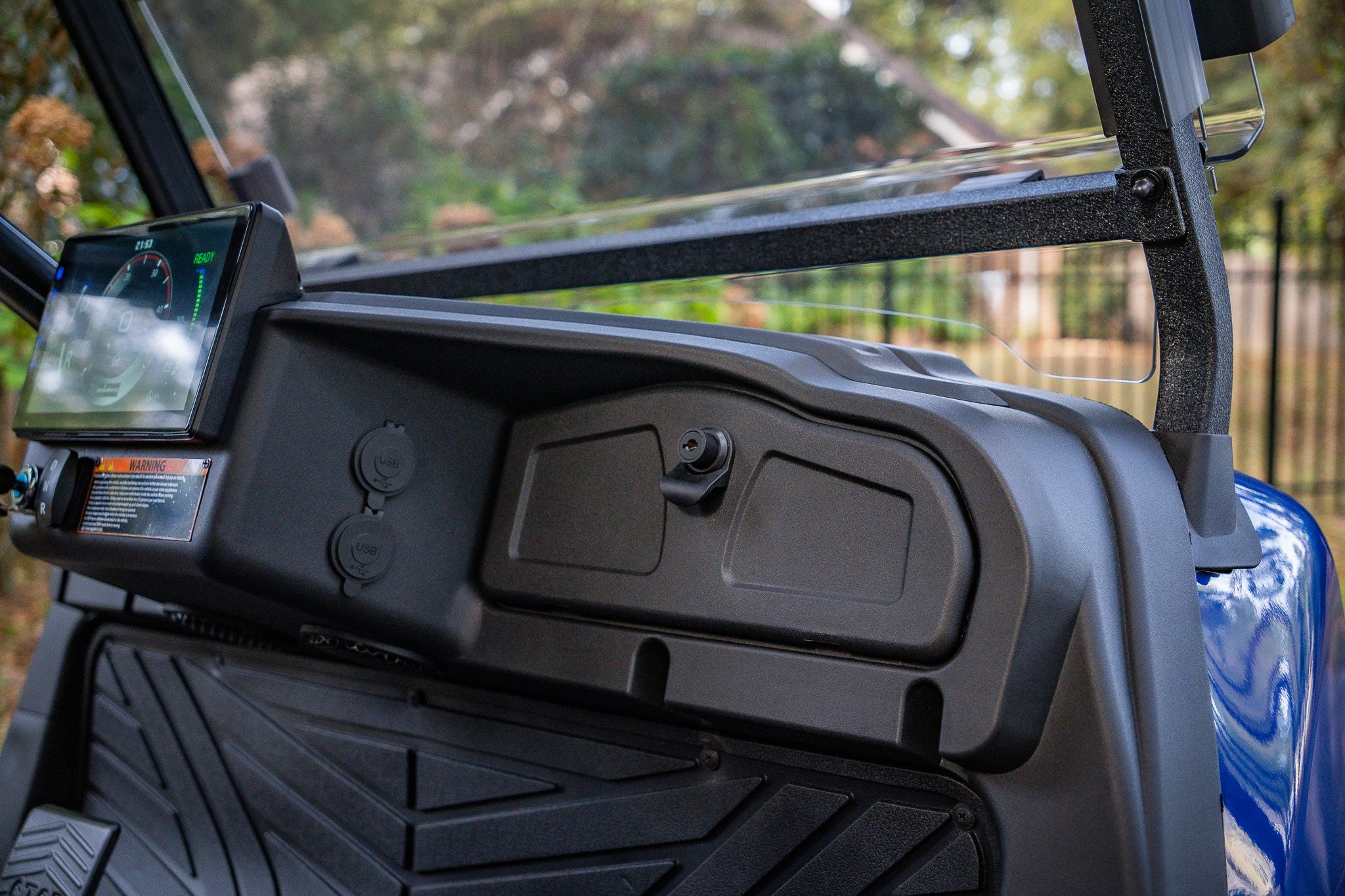
  • Lockable weatherproof dash
  • Four-wheel hydraulic disc brakes
Explore AX4 Specs
Family & Executive

Sierra AX5

Extended wheelbase configuration for luxury community transport, property development tours, and premium rental fleets.

  • Extended legroom cabin layout
  • Automotive marine-grade vinyl seats
  • On-board Smart Charger display
  • Integrated bluetooth audio system
Explore AX5 Specs
High Capacity

Sierra AX6

The ultimate 6-passenger shuttle engineered for high-volume resort transport, airport mobility, and large family shuttle service.

  • 6-Passenger multi-row capacity
  • Heavy-duty coilover suspension
  • High-torque AC motor powertrain
  • Standard side mirrors & signals
Explore AX6 Specs

Technical Evaluation & Information Gain

Low Speed Vehicle (LSV) Procurement Matrix

Compare regulatory, technical, and operational parameters across electric transport classes to make informed global sourcing decisions.

Technical and compliance benchmark comparing conventional golf carts, standard aftermarket LSVs, and Sierra factory-built 2026 AX platforms.
Specification & Feature Standard Golf Cart Converted Aftermarket LSV Sierra 2026 AX Series LSV
Max Speed Compliance 12 to 19 mph (19-30 km/h) 20 to 25 mph (32-40 km/h) Factory Limited 25 mph (FMVSS 500)
VIN Documentation Serial Number Only Stamped post-market (Varies) Standard 17-Digit Global VIN
Windshield Specification Fold-Down Acrylic (Non-DOT) Varies (Aftermarket DOT) AS1 Laminated Safety Glass w/ Wiper
Braking Architecture Rear Mechanical Drum Brakes Dual or Four-Wheel Disc Four-Wheel Hydraulic Disc + Electromagnetic Park
Infotainment & Vision None / Aftermarket Speaker Pads Add-on Displays (Exposed Wires) Integrated Touchscreen + HD Backup Camera
Dashboard Electronics Basic Key Switch & Meter Spliced Accessory Harness Lockable Dash, Wireless Charger & CAN-Bus
Chassis Protection Standard Powder Coat Standard Powder Coat E-Coated Anti-Corrosion Automotive Frame
Factory Warranty Alignment 1-2 Years Limited Split Warranties (Multi-Vendor) Unified Factory Warranty Network

OEM Excellence & Factory Heritage

Why Global Buyers Partner with Sierra LSV

Launched in 2024 to disrupt the fragmented low-speed electric car market, Sierra LSV was created by an engineering and product leadership team originating directly from powersports, golf car manufacturing, and automotive electronics. We recognized a major industry flaw: distributors were forced to spend thousands of dollars per unit adding aftermarket lights, touchscreens, backup cameras, and sound systems to basic golf cart chassis.

Every Sierra Low Speed Vehicle (LSV) is engineered from day one as a fully integrated, high-durability platform. We do not build base models. Our standard specification is what other manufacturers call "fully loaded."

  • Proven Engineering Background: Deep expertise across powersports drivetrain calibration, high-voltage motor control, and automotive-grade wiring reliability.
  • Marine-Grade Wiring & IP67 Connectors: Every harness features sealed automotive connectors designed to withstand harsh salt air, humidity, and intense thermal cycles.
  • Automotive E-Coat Chassis Treatment: Frames undergo multi-stage electro-coating process to prevent structural rust and chassis degradation in coastal markets.
  • Standardized Factory Electronics: High-resolution touchscreens, rear camera feeds, wireless charging pads, and lockable storage are installed and quality-tested directly on the assembly line.
  • Global Compliance & VIN Registry: Full legal documentation and compliance support for hassle-free customs clearance and municipal titling.
Send an Inquiry
Sierra LSV factory detail showcasing marine grade interior materials and dash engineering

Procurement & Technical Support

Frequently Asked Questions for LSV Buyers & Importers

Detailed technical, legal, and operational answers for commercial buyers, fleet managers, and international dealership networks.

Under Federal Motor Vehicle Safety Standard No. 500 (FMVSS 500) and equivalent international regulations, a Low Speed Vehicle (LSV) is defined as a 4-wheeled motor vehicle whose attainable speed is greater than 20 mph (32 km/h) but not more than 25 mph (40 km/h) on a paved level surface. LSVs must be manufactured with mandatory safety equipment including headlamps, front and rear turn signal lamps, tail lamps, stop lamps, reflex reflectors, driver and passenger side-view mirrors, parking brakes, an AS1 laminated safety glass windshield, seat belts (Type 1 or Type 2), and an official 17-digit Vehicle Identification Number (VIN).

Because they meet these federal motor vehicle safety rules, LSVs can be titled, insured, and driven legally on public roads with posted speed limits up to 35 mph (56 km/h) in most jurisdictions.

Importing standard golf carts is treated as importing off-road equipment, which typically requires basic customs declarations. Sourcing certified LSVs, however, involves importing regulated motor vehicles. Importers must ensure the manufacturing plant holds recognized World Manufacturer Identifier (WMI) codes to assign legitimate 17-digit VINs. Custom clearances require DOT compliance paperwork (such as HS-7 forms in the US), EPA motor exemption certificates, and proof of structural seat belt anchorage testing. Partnering with a manufacturer like Sierra LSV guarantees all documentation, certification plates, and compliance records are fully organized prior to vessel loading.

Commercial LSV operations prioritize Lithium Iron Phosphate (LiFePO4) chemistry over cobalt-based lithium chemistries (NMC/LCO) due to its inherent thermal stability, resistance to thermal runaway, and exceptionally long lifespan. High-grade commercial LSV batteries must hold UN38.3 transport certification and UL 2271 safety compliance for light electric vehicle energy storage. Advanced systems utilize Smart CAN-bus Battery Management Systems (BMS) that actively balance cells, monitor individual cell voltages, limit over-discharge, monitor thermal thresholds, and communicate directly with the motor controller to prevent unexpected shutdowns.

Procuring factory "fully loaded" LSVs yields a significantly lower Total Cost of Ownership (TCO) compared to retrofitting base platforms. When features like touchscreen displays, reversing camera networks, wireless charger bays, and lockable storage are installed on the factory line, they are connected to a continuous, IP67-sealed main wiring harness designed for specific current loads. This eliminates third-party splices, electrical shorts, battery drain issues, and warranty disputes across multiple aftermarket suppliers. Dealerships save up to 90% in uncrating and assembly time, while commercial fleets benefit from standardized replacement parts and unified factory warranty support.

Because modern LSVs feature sealed lithium battery packs and AC brushless induction motors, routine maintenance is vastly simpler than traditional gas or lead-acid vehicles. Fleet managers should establish a quarterly schedule focused on: (1) inspect hydraulic brake fluid levels and pad wear; (2) check tire pressure and tread wear patterns; (3) inspect tie rods, suspension bushings, and steering rack boot seals; (4) verify function of all LED turn signals, brake lights, and backup camera sensors; and (5) perform software updates via CAN-bus port on controller parameters if specified by factory service bulletins.

Yes. Sierra LSV offers extensive enterprise OEM customization for volume order clients. Custom options include tailored fleet body colors, custom embroidered marine vinyl seating, corporate logo integration on touchscreen software boot displays, geo-fenced telematics modules, custom utility cargo bed configurations, and custom lithium pack sizing (from 105Ah to 210Ah LFP packs) tailored to duty-cycle requirements.

Global OEM & Dealer Expansion

Upgrade Your Fleet & Showroom with Sierra LSVs

Partner with a manufacturer that prioritizes engineering integrity, complete street-legal compliance, factory-installed technology, and dedicated dealer territory protection.