0%

Choosing a 2026 Sierra AX3 Golf Cart deserves more than a quick look at its color and price. A polished body can hide expensive questions. How will it perform on steep paths, uneven lawns, or short neighborhood trips? This guide introduces seven practical tips to help buyers inspect the cart with clearer expectations and fewer surprises.

The process begins with an honest assessment of daily use. A cart carrying four adults needs different comfort and power than one used for quiet property maintenance. Examine the seating, suspension, tires, braking response, steering play, and ground clearance during a careful test drive. Ask the dealer for current specifications, battery details, charging requirements, warranty terms, and service support. Written information matters more than confident sales language.

Look closely.

The battery system deserves special attention. Check its age, charging history, replacement cost, and expected range under realistic loads. A long advertised range may change with hills, passengers, weather, or frequent stops. I would also compare the final purchase price with delivery, accessories, maintenance, insurance, and possible repairs. Buyers sometimes focus on monthly payments and overlook ownership costs. That is an easy mistake.

A reliable decision should combine hands-on experience, verified documentation, and advice from qualified dealers or experienced technicians. Still, no inspection is perfect. Even careful buyers can miss a small electrical issue or underestimate future upkeep. These seven tips will not remove every risk, but they can make the 2026 Sierra AX3 Golf Cart buying process more informed, practical, and transparent.
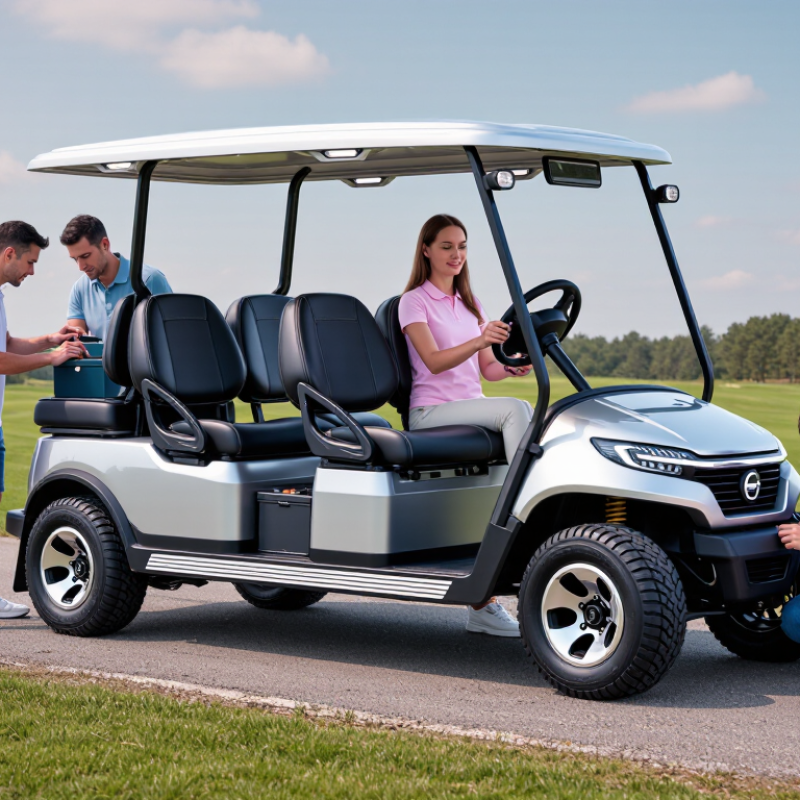
7 Tips for Buying a 2026 Sierra AX3 Golf Cart

Identify the Sierra AX3’s Model Features and Intended Use

7 Tips for Buying a 2026 Sierra AX3 Golf Cart

Buying a 2026 Sierra AX3 starts with identifying its actual configuration. Do not judge it by color or dashboard design. Confirm seating capacity, motor type, battery chemistry, charging time, ground clearance, brakes, and warranty terms. These features show whether it fits a golf course, gated community, farm path, or short neighborhood trip. Never assume a recreational cart can manage heavy utility work. Weight limits and hill performance may vary.

Tip 1: Ask for the complete specification sheet. Tip 2: Match the seat layout to your usual passengers. Tip 3: Test steering, braking, and turning on a slope. Tip 4: Check storage space for clubs, tools, or groceries. The National Golf Foundation reported approximately 531 million U.S. golf rounds in 2023. That figure supports continued demand for practical course transportation, but it does not prove every cart suits daily road use.

Tip 5: Compare battery range under realistic passenger weight. Tip 6: Inspect tire condition, suspension, cables, and charging equipment. Tip 7: Request written maintenance intervals and parts availability. A practical warning: a clean demonstration unit can hide weak brakes or neglected batteries. I would also measure the garage entrance before purchase. That small mistake is easy to make. A short test ride may reveal more than a long sales conversation.

7 Tips for Buying a 2026 Sierra AX3 Golf Cart: Identify Model Features and Intended Use

Before buying, match the cart’s seating, terrain capability, cargo capacity, weather protection, charging setup, and road-use requirements with how you expect to use it. The chart shows practical buyer-fit priorities on a 1–5 scale, where 5 indicates the feature is especially important for that type of use.

Residential transportation typically prioritizes seating and weather protection, while estate or trail use places greater emphasis on ground clearance, tires, braking performance, and cargo capacity. Confirm the exact 2026 configuration, rated payload, battery system, charging time, safety equipment, and local operating rules before purchase.

Compare Powertrain, Battery, Range, and Charging Specifications

When buying a 2026 Sierra AX3 golf cart, compare the powertrain before the paint or seat design. An AC motor usually delivers smoother hill starts and stronger low-speed control than a basic DC setup. Check continuous motor output, not only peak horsepower. The U.S. Department of Energy notes that drivetrain efficiency, payload, and terrain strongly affect electric-vehicle energy use.

Battery capacity needs careful reading. A 48-volt pack rated at 105 amp-hours stores about 5.0 kilowatt-hours before losses. That number is not usable range. Battery University reports that lithium-ion packs commonly provide higher usable capacity and lower maintenance than lead-acid batteries, while temperature and charging habits still affect service life. Ask for chemistry, warranty terms, cycle testing, and replacement cost.

Range claims can be optimistic. My first estimate was too generous. A practical calculation should include passengers, hills, grass, tire pressure, and repeated stops. DOE charging data places typical Level 2 equipment between 3 and 19 kilowatts, but a small cart may accept far less. Confirm the onboard charger’s input, charging time, outlet requirements, and weather protection.

A cart showing 40 miles in light testing may deliver closer to 25 miles on hilly paths with four adults. Leave reserve capacity. Range anxiety is real.

Check Seating, Safety Equipment, Comfort, and Storage Options

7 Tips for Buying a 2026 Sierra AX3 Golf Cart

Seating deserves a hands-on inspection, not a quick glance. Sit in every position and check legroom, hip support, and seat height. The driver should reach the pedals without stretching. Rear passengers need stable handholds and enough shoulder space. Look beneath the cushions for firm mounting points and clean hardware. Loose stitching is a small warning sign.

Safety equipment should match your regular routes and passenger needs. Check seat belts, headlights, brake lights, turn signals, mirrors, reflectors, and the horn. Test the parking brake on a gentle slope. Inspect tire condition, steering response, and brake-pedal feel during a controlled drive. Ask for maintenance records and the equipment list for that exact configuration. Features can vary, and assumptions can become expensive.

Comfort appears after more than ten minutes. Drive over smooth pavement, then a rougher surface, and listen for rattles. Evaluate suspension movement, steering effort, windshield coverage, and protection from wind or rain. Storage should fit real items, not just a brochure promise. Measure the glove compartment, under-seat area, cup holders, and rear rack. Bring a small bag or cooler when viewing the cart. It may expose awkward access quickly. I once underestimated storage because the compartment looked deep; its narrow opening made it frustrating. Check golf-bag holders, charging access, and whether stored items remain secure during turns.

7 Tips for Buying a 2026 Sierra AX3 Golf Cart - Check Seating, Safety Equipment, Comfort, and Storage Options

Tip Buying Area What to Check Practical Benchmark Buyer Action
1 Confirm Seating Capacity Verify the approved passenger count, seat layout, footwell space, handholds, and whether the rear seat converts into a facing or cargo position. Every passenger should have a defined seating position, adequate legroom, and a secure handhold. Do not exceed the stated passenger capacity. Sit in every available position and check access, knee clearance, visibility, and ease of entry before purchasing.
2 Inspect Safety Equipment Look for seat belts, working headlights, brake lights, turn signals, reflectors, mirrors, a horn, a parking brake, and a clearly visible vehicle identification label. Safety equipment should be securely mounted, undamaged, and easy to operate. Road-use requirements vary by location, so local rules must be confirmed. Test each control and light. Request written confirmation of which equipment is included and which items are optional.
3 Evaluate Ride Comfort Check seat cushioning, back support, steering effort, pedal position, suspension response, windshield coverage, roof protection, and noise level. The driver should maintain a natural posture with unobstructed forward visibility. The vehicle should remain stable and controlled over the surfaces where it will be used. Take a test drive with typical passengers and drive over smooth pavement, modest slopes, and normal uneven areas.
4 Measure Storage Options Review the front compartment, under-seat space, glove box, cup holders, rear cargo deck, and any locking storage. Storage should accommodate the items you regularly carry without blocking passenger seating, pedals, steering movement, lights, or rear visibility. Bring a tape measure and a sample load such as golf equipment, groceries, tools, or outdoor accessories to verify fit.
5 Check Power and Charging Identify the power system, battery type, charging connector, charger location, estimated charging time, battery warranty, and required ventilation or storage conditions. The charger must match the vehicle's battery system and electrical requirements. Charging should be performed in a dry, suitable location with adequate ventilation when required. Ask for the complete charging procedure, expected range under normal use, battery replacement cost, and warranty terms.
6 Review Handling and Ground Clearance Examine tire condition, tread, steering response, turning space, braking feel, ground clearance, and the vehicle's behavior on inclines. The cart should track straight, brake smoothly without pulling, and clear the surfaces, ramps, thresholds, and slopes found on your property. Test the cart at low speed in a controlled area. Avoid steep or slippery terrain unless the vehicle is specifically designed and approved for it.
7 Verify Ownership and Maintenance Costs Review the purchase invoice, warranty coverage, maintenance schedule, replacement-part availability, delivery condition, and return or service policy. A complete transaction should include the vehicle identification details, charger information, manuals, warranty terms, and a clear record of included equipment. Compare the total ownership cost, including charging, tires, batteries, servicing, insurance, registration, and any required safety upgrades.

Important: Passenger limits, road-use equipment, speed restrictions, and registration requirements can vary by jurisdiction. Confirm the applicable local regulations before using the golf cart on public roads.

Evaluate Dealer Pricing, Warranty Coverage, and Ownership Costs

7 Tips for Buying a 2026 Sierra AX3 Golf Cart

Dealer pricing deserves a written breakdown, not a cheerful verbal quote. Request the cart price, destination fee, assembly charge, accessories, taxes, and registration costs separately. Compare at least three nearby dealers. The lowest sticker may hide a costly charger or weak battery package. The 2025 Kelley Blue Book Car Buyer’s Guide supports comparing total transaction prices, not advertised figures alone. Ask whether the quotation remains valid for seven days.

Warranty language matters more than warranty length. Confirm coverage for the battery, charger, motor, controller, frame, and labor. A three-year battery warranty may exclude capacity loss, which changes everything. Ask for the testing method and the replacement process. The 2024 Consumer Reports reliability research shows that repair frequency and service access strongly influence ownership satisfaction. That principle applies here, even though golf-cart data is thinner. Read the exclusions twice.

Ownership costs appear quietly. Lead-acid batteries require watering, cleaning, and eventual replacement. Lithium systems usually reduce routine maintenance, but their purchase price can be higher. The U.S. Department of Energy reports that electricity remains cheaper per mile than gasoline for many electric vehicles; a golf cart’s energy use is lower, but charging still depends on local rates. AAA’s 2024 Your Driving Costs report placed average new-vehicle ownership above $12,000 annually, a useful benchmark rather than a direct cart estimate. Track charging, tires, insurance, storage, and repairs for twelve months. I would also budget for one unpleasant surprise. Dealers rarely include it.

Complete a Pre-Purchase Inspection and Confirm Delivery Details

Buying a 2026 Sierra AX3 golf cart requires more than checking the paint and seat stitching. A careful pre-purchase inspection can prevent expensive surprises after delivery. The National Golf Foundation’s 2024 industry report highlights continued investment in golf-course equipment, making fleet condition and maintenance history increasingly important. Ask for the complete service record, battery installation date, charging cycles, and serial-number photographs.

Inspect the frame for fresh welds, cracks, or uneven paint. Test steering play, braking distance, lights, reverse alarms, and suspension movement. Check each battery terminal for corrosion and loose connections.

The charger should start smoothly and stop automatically. It should also match the battery system. Do not rely on a quick showroom drive. Five minutes can hide a weak battery or overheated motor.

Confirm delivery details in writing. Record the agreed configuration, included accessories, delivery date, destination, and warranty coverage. Request photos before loading, including all four corners and the dashboard meter.

At arrival, inspect the carton, tires, windshield, roof, seats, and undercarriage before signing acceptance. The Federal Motor Carrier Safety Administration’s cargo-claim guidance supports documenting visible damage immediately. SAE J2258 also provides useful reference points for low-speed vehicle safety and performance.

I would still photograph everything, even when the seller seems trustworthy. A missed scratch can become your problem. Keep the inspection checklist, signed delivery record, and communication history together.

FAQS

What should I confirm before buying a 2026 golf cart?

Request the complete specification sheet. Confirm seating, motor type, battery chemistry, charging time, clearance, brakes, and warranty terms. Color proves very little.

How can I match the cart to its intended use?

Consider golf courses, gated communities, farm paths, or short neighborhood trips. Do not assume a recreational cart can handle heavy utility work. Hill performance and weight limits may vary.

How should I inspect the seating?

Sit in every position. Check legroom, seat height, hip support, shoulder space, and stable handholds. Look beneath cushions for firm mounts and clean hardware. Loose stitching deserves attention.

Which safety equipment should I test?

Check seat belts, headlights, brake lights, turn signals, mirrors, reflectors, and the horn. Test the parking brake on a gentle slope. Notice steering response and brake-pedal feel during a controlled drive.

How can I judge comfort during a test drive?

Drive for more than ten minutes. Use smooth pavement and a rougher surface. Listen for rattles, then evaluate suspension movement, steering effort, windshield coverage, and wind protection.

What storage details should I examine?

Measure the glove compartment, under-seat area, cup holders, rear rack, and golf-bag holders. Bring a small bag or cooler. Narrow openings can make deep compartments surprisingly frustrating.

How should I evaluate battery range?

Compare range using realistic passenger weight. Ask about charging time and battery condition. Check charging access and equipment carefully. Short tests can hide tired batteries.

What maintenance information should I request?

Ask for written maintenance intervals, service records, and parts availability. Inspect tires, suspension, cables, brakes, and charging equipment. A clean demonstration cart may still have neglected components.

What measurements should I take before purchase?

Measure the garage entrance and storage area. Check turning space too. I might overlook this small detail. A test ride can reveal more than a long sales conversation.

Conclusion

Buying a 2026 Sierra AX3 Golf Cart requires more than comparing sticker prices. Start by identifying the model’s intended use, whether for neighborhood travel, private property, resort transportation, or light utility work. Review the powertrain, battery type, estimated range, charging time, and expected performance on hills or uneven surfaces. Then examine seating capacity, seat materials, lighting, mirrors, restraints, braking features, weather protection, and available storage to ensure the cart fits your daily needs.

Before purchasing, compare dealer pricing, financing terms, warranty coverage, service support, and long-term ownership costs such as charging, maintenance, replacement parts, and battery care. A careful pre-purchase inspection should confirm the cart’s condition, controls, tires, brakes, electrical systems, body panels, and included accessories. Finally, verify the delivery schedule, delivery fees, documentation, setup requirements, and the exact equipment listed in the purchase agreement. These steps can help you choose confidently and avoid unexpected costs.


Evelyn

Evelyn

Evelyn is a highly skilled marketing professional with a strong understanding of the company’s products, services, and customer-focused solutions. Through years of experience in market research, content strategy, and professional communication, Evelyn translates complex product features into clear,......