Explore our high-performance fleet vehicles, motorized platform carts, and modular multi-passenger electric mini-transporters customized for Indian commercial, industrial, and resort environments.
The rapid electrification of micro-mobility, low-speed electric vehicles (LSVs), neighborhood electric vehicles (NEVs), and commercial utility carts in India has placed unprecedented demand on specialized OEM components. Among these components, rear seat assemblies, flip-flop convertible seat kits, and integrated passenger safety modules serve as pivotal differentiators for vehicle manufacturers, fleet operators, and institutional buyers.
Historically, golf carts and light utility electric vehicles imported into India were configured primarily for standard two-passenger operations. However, the Indian market exhibits unique user intent patterns: commercial buyers in hospitality, real estate development, smart cities, and factory intralogistics require modular versatility. A vehicle must transition seamlessly from a 4-passenger or 6-passenger shuttle during peak guest hours to a heavy-duty cargo utility transport for facilities management.
As leading rear seat manufacturers and B2B suppliers, our engineering paradigm synthesizes automotive-grade structural steel chassis integration, marine-grade UV-resistant synthetic leather, high-density cold-molded polyurethane foam, and intuitive 2-in-1 convertible mechanical linkages. This whitepaper serves as an exhaustive buyer and engineering guide for original equipment manufacturers (OEMs), distributors, and enterprise buyers operating within India's booming EV ecosystem.
To assist Indian procurement managers, automotive engineers, and fleet operators in selecting optimal rear seat hardware, the following structured comparative framework details critical engineering metrics across standard, commercial, and heavy-industrial configurations.
| Engineering Parameter | Standard Aftermarket Seat | Commercial Flip-Seat Module | Heavy-Duty Industrial OEM Seat (Sierra Class) |
|---|---|---|---|
| Structural Frame Alloy | Mild Steel (Uncoated / Basic Paint) | Powder-Coated Tubular Steel | E-Coated Anti-Corrosion Electrophoretic Tubular Steel |
| Foam Density & Type | 18-22 kg/m³ Standard Cut Foam | 35-40 kg/m³ Molded Polyurethane | 50-55 kg/m³ High-Resilience Cold-Cured Foam |
| Upholstery Material | Basic PVC Vinyl (0.8mm) | Commercial Marine Synthetic Vinyl | Tropicalized Marine Vinyl (UV800+, Anti-Microbial, 1.2mm) |
| Max Dynamic Payload | 120 kg (2 Pass) | 250 kg (2 Pass + Light Cargo) | 400 kg - 500 kg (Industrial Passenger / Flatbed Duty) |
| Mechanism Conversion | Fixed / Manual Bolt Flip | 1-Step Quick Flip Fold | Reinforced Dual-Latch Heavy-Duty Flip Deck with Grab Bar |
| Safety & Compliance | None | 2-Point Lap Belts | DOT-Approved 3-Point Inertia Reel Belts & Integrated Grab Handles |
| Indian Terrain Suitability | Low (Premature Rust & Sagging) | Moderate (Suitable for Resorts) | High (Factory, Off-road, Coastal, Urban Shuttle Legal) |
Selecting the appropriate rear seat specification directly impacts total cost of ownership (TCO). In Indian operational contexts, inferior foam degradation leads to driver and passenger fatigue, while un-coated steel frames suffer rapid oxidation under monsoon conditions. High-resilience polyurethane combined with electrostatically deposited E-coating guarantees a lifespan exceeding 8–10 years under continuous commercial usage.
The operational landscape for electric golf carts and low-speed passenger vehicles in India is extraordinarily diverse. Understanding how rear seat ergonomics match specific localized deployment zones is critical for B2B buyer satisfaction.
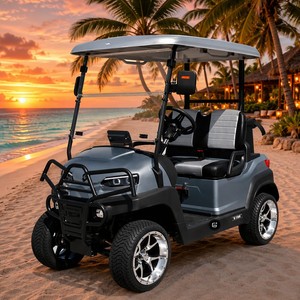
Deploys in Rajasthan palaces, Goa beach resorts, and Kerala wellness retreats. Requires ultra-plush, hand-stitched rear seating with wide footrests and smooth ingress/egress for guests carrying luggage.
Utilized in vast gated complexes across Delhi NCR, Bengaluru, and Pune. Rear seats equipped with 2-in-1 flip functionality enable morning school runs and afternoon grocery transport without swapping vehicles.
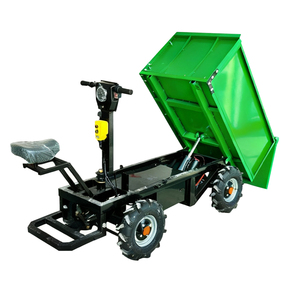
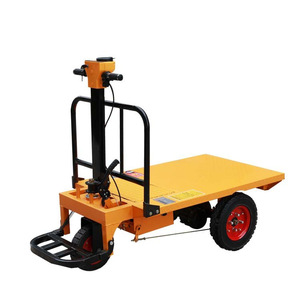
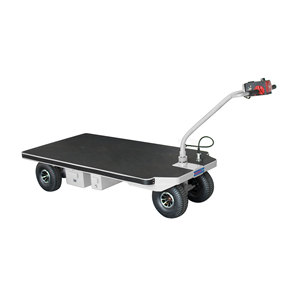
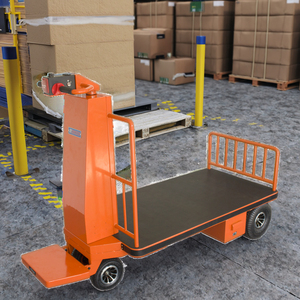
Integrated onto heavy-duty motorized flatbed trolleys (such as the 500KG Nenkeen series) operating in auto hubs like Chennai, Gujarat, and Chakan. Functions as intra-plant staff transport and cargo carrier.
High-frequency passenger assistance for elderly or disabled commuters in Mumbai, Bengaluru, and Hyderabad airports. Demands non-marking tires, ergonomic grab rails, and rapid-clean anti-bacterial seating surfaces.
Traditional 4-seater and 6-seater golf cart setups across championship courses. Requires lightweight aluminum frame integration to prevent turf compaction while retaining structural rigidity under full occupant loads.
Deploys in quiet, zero-emission sanctuaries (e.g., Kaziranga, Gir, Jim Corbett peripheral buffer zones). Open-air rear passenger seating designed for maximum panoramic visibility and silent wildlife safari operation.
The low-speed vehicle component market in India is undergoing a structural transition driven by regulatory mandates, localized manufacturing policies, and shifting customer expectations. Four key trends define the market landscape:
Government initiatives encouraging localized EV manufacturing under the Make in India banner have compelled low-speed EV assemblers to source components locally or partner with qualified OEM suppliers. Rear seat assemblies that offer localized supply chain traceability, standardized mounting bracket dimensions, and local spare parts availability receive preferential procurement scores in municipal and government tender bids.
Standard PVC seating suffers rapid cracking and extreme surface heating when left outdoors under the intense Indian sun. Advanced rear seat manufacturers are adopting polymer formulations embedded with UV inhibitors (UV800+ rating) and heat-reflective pigments. These materials lower surface temperature by up to 12°C compared to conventional black vinyl, dramatically enhancing passenger comfort in tropical regions.
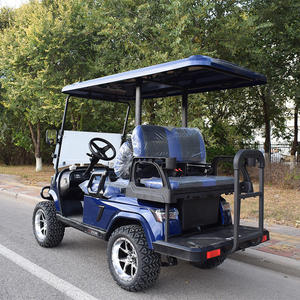
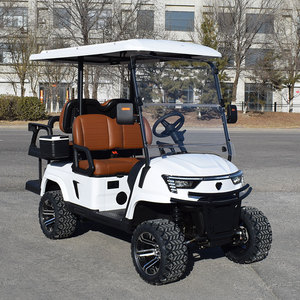
The market trend has moved decisively away from fixed rear seats. Indian commercial buyers overwhelmingly prefer convertible rear seats featuring a heavy-duty composite or diamond-plate aluminum underside. When flipped, the seat transforms into a flat, drop-tested cargo bed with perimeter tie-down points, eliminating the need to purchase separate cargo and passenger vehicles.
As golf carts move into street-legal neighborhood low-speed vehicle (LSV) classifications across Indian private townships, safety standards have elevated. Leading suppliers now integrate retractable 3-point seat belts, reinforced steel C-pillar support bars, anti-slip foot platforms, and integrated LED brake/turn tail lights directly into the rear seat mounting frame.
Our manufacturing philosophy relies on rigorous automotive-grade quality standards, engineered specifically to satisfy the demands of original equipment manufacturers and large fleet operations across India and global export markets.
Key technological pillars of our production infrastructure include:
Addressing core technical, financial, and logistical queries from Indian EV manufacturers, fleet owners, and commercial dealers.
Enhance your electric vehicle lineup with high-durability, tropicalized rear seat kits, flip-flop conversion platforms, and customized low-speed passenger transport solutions tailored for India.