Explore our premium lineup of commercial electric golf buggies, street-legal LSVs, multi-passenger shuttles, and heavy-duty industrial utility carts engineered for high-performance enterprise deployments.
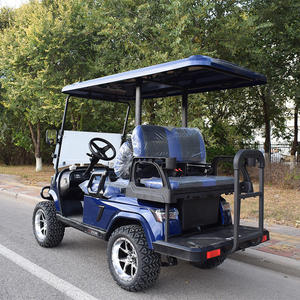
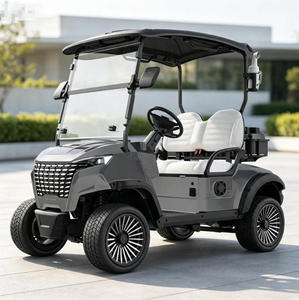
The global light electric vehicle (LEV) market is undergoing a paradigm shift. What was once considered simple fairways transport has evolved into an essential component of urban micro-mobility, commercial resort logistics, gated community transportation, and heavy-duty industrial handling. Navigating top trusted golf buggy factories requires an analytical understanding of powertrain technology, chassis metallurgy, compliance frameworks, and long-term Total Cost of Ownership (TCO).
The industry wide transition from traditional flooded lead-acid batteries to Lithium Iron Phosphate (LiFePO4) chemistry has redefined fleet operational efficiency. OEM factories now integrate high-grade Automotive CAN-bus BMS units that deliver 3,500+ deep cycles, zero maintenance overhead, 40% mass reduction, and rapid 2-hour charging profiles tailored for multi-shift resort and utility applications.
Legacy DC brushed motors have been systematically phased out by leading golf buggy manufacturers in favor of high-efficiency 48V and 72V AC Asynchronous and Permanent Magnet Synchronous Motors (PMSM). Pairing 3.5kW to 7.5kW motors with smart controllers (such as Enpower or Curtis) delivers instant torque output, smooth hill climbing up to 30% gradients, and downhill regenerative braking.
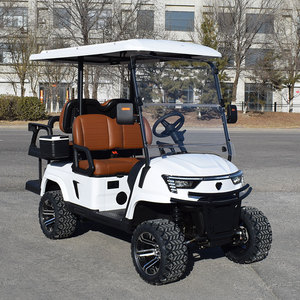
Modern commercial purchasers prioritize vehicles capable of dual-use deployment: private property transport and municipal street travel. Top-tier factories manufacture low speed vehicles (LSVs) engineered to meet FMVSS 500 & EEC Standards, complete with 17-digit VINs, automotive safety glass, seat belts, LED turn indicators, four-wheel hydraulic disc brakes, and digital backup display systems.
To ensure enterprise buyers optimize procurement budgets and mitigate supply chain friction, the technical table below evaluates key operational differences when contracting directly with tier-1 golf buggy factories versus sourcing through non-manufacturing intermediaries.
| Evaluation Parameter | Direct OEM Buggy Factory (e.g., Sierra/Nenkeen) | Third-Party Trading Supplier | Strategic Buyer Advantage |
|---|---|---|---|
| Chassis Metallurgy | T6 Tempered Aluminum Alloy or Electrophoretic Dipped Steel Frame | Standard Spray-Painted Carbon Steel (Prone to Rust) | 10+ Year Anti-Corrosion Warranty in Salt-Air Coastal Environments |
| Motor & Controller Integration | Factory-Calibrated AC/PMSM Systems with CAN-bus Diagnostics | Generic Assembled Parts with Mismatched Torque Curves | 22% Higher Drive Efficiency & Extended Single-Charge Range |
| Customization Capabilities (ODM) | Full Seating Layouts (2-8 seat), Custom Utility Beds, Branding & Color Match | Restricted to Fixed Off-the-Shelf Inventory | Exact Operational Fit for Specialized Fleet & Cargo Requirements |
| Compliance & VIN Provision | ISO9001 Certified, DOT 17-Digit VIN Issuance, CE & EEC Approvals | Often Lacks Official VIN Registration Paperwork | Frictionless Municipal Title Registration & Legal Street Driving |
| Spare Parts Supply Chain | Direct OEM Parts Catalog, Standardized Wiring Harnesses & Modules | Discontinued Component Sourcing Risks & Long Lead Times | Minimizes Fleet Downtime with Guaranteed 5-Year Component Availability |
Leading golf cart manufacturers utilize automated robotic welding cells, computer-controlled powder coating lines, and rigorous end-of-line testing protocols. Every vehicle chassis undergoes 500-hour salt spray testing to guarantee resilience against oceanfront humidity, turf chemicals, and harsh industrial atmospheres.
Inside the cabin, user-centric innovations standard on models like the Sierra AX Series include high-definition capacitive touchscreen infotainment systems, integrated rear camera displays, wireless smartphone charging pads, waterproof lockable dash storage compartments, and ergonomic marine-grade vinyl seating built for all-weather comfort.
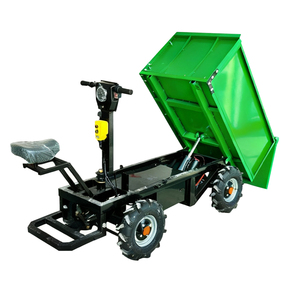
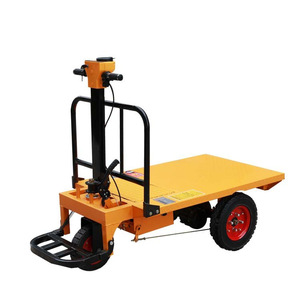
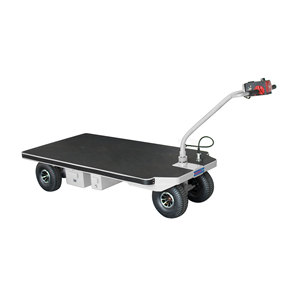
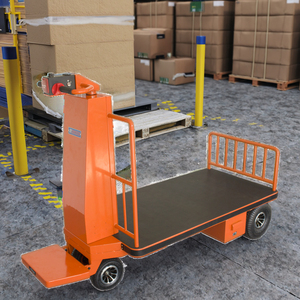
Beyond traditional 18-hole golf course transportation, enterprise procurement demands versatile utility solutions. Modern factory production lines manufacture purpose-built electric hand push carts, self-unloading hydraulic mini dumpers, flatbed cargo haulers, and heavy-duty stainless steel platform trucks capable of carrying payloads up to 500kg.
These modular electric utility vehicles feature tight turning radii, intuitive tiller control handles, IP67 waterproof quick-connect wiring harnesses, and reinforced leaf-spring or independent double A-arm suspension packages engineered for warehouse logistics, resort maintenance, and municipal sanitation duties.
As global decarbonization mandates accelerate, golf buggy suppliers and fleet operators must adapt to evolving market requirements. Procurement teams evaluating 2026–2030 vendor contracts should focus on three foundational technological vectors:
Modern commercial buggies are becoming connected nodes. Advanced suppliers integrate 4G/GPS telematics devices into the vehicle wiring harness. Fleet managers can remotely monitor real-time battery State of Charge (SoC), track geofenced operational zones, perform remote diagnostic scans, and prevent unauthorized usage via digital smartphone RFID ignition.
Integrating flexible monocrystalline solar panels directly into the lightweight canopy roof extends real-world range by 15% to 25% daily. For sunny resort climates, campus shuttles, and outdoor maintenance fleets, solar top-up charging decreases grid reliance, offsets peak power tariffs, and significantly boosts daily operating availability.
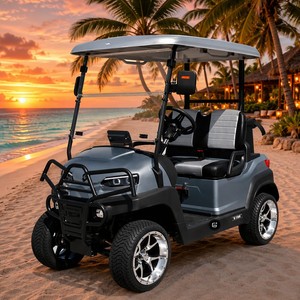
The boundary between traditional low speed golf carts and luxury automotive vehicles is blurring. Buyers now expect standard equipment packages: automotive multi-speaker Bluetooth soundbars, digital instrument clusters, LED halo headlamps, custom stitched marine upholstery, and fully enclosed cabin options with HVAC capabilities.
Clear, authoritative answers to the most critical technical and logistical questions asked by global golf buggy distributors, fleet buyers, and resort managers.
A standard golf cart is designed primarily for off-road resort or golf course use with speed caps typically around 15 mph (24 km/h) and minimal road-safety equipment. Conversely, a Low Speed Vehicle (LSV) is engineered to meet strict federal DOT/FMVSS 500 and EEC standards, allowing top speeds between 20 mph and 25 mph (32–40 km/h). LSVs come factory-equipped with a 17-digit VIN, automotive windshields, seat belts, headlights, tail/brake lights, turn signals, mirrors, and reverse cameras, enabling them to be legally registered and driven on public roads with posted speed limits of 35 mph or less.
LiFePO4 technology offers significant operational advantages over traditional lead-acid batteries. LiFePO4 packs last 3,500+ charge cycles compared to 500–800 cycles for lead-acid, effectively tripling lifespan. They are 100% maintenance-free (no water topping), weigh approximately 70% less (improving vehicle acceleration and payload capacity), support opportunity fast-charging without memory effect, and maintain consistent voltage output even under heavy load or uphill driving.
Top trusted golf buggy manufacturers provide extensive OEM/ODM customization. This includes custom chassis length configurations (2, 4, 6, or 8-passenger seats), specialized utility cargo boxes, hydraulic self-unloading dump beds, custom RAL body paint colors, branded vinyl graphic wraps, lifted off-road suspension kits, upgraded 72V powertrain packages, integrated solar roof tops, weather-proof enclosure curtains, and bespoke infotainment software badging.
Leading manufacturers utilize either high-strength T6 aviation-grade aluminum alloy chassis frames or electro-coated (E-dipped) carbon steel frames. Cathodic electrophoretic coating submerges the entire frame into liquid primer under electrical voltage, ensuring 100% internal and external coverage. Combined with powder-coated top layers and stainless steel hardware, these chassis withstand over 500 hours of continuous salt spray testing without rust formation, making them ideal for coastal resorts and turf application.
Standard manufacturing lead time for OEM golf cart orders ranges between 15 to 25 business days depending on customization complexity. For international shipping, vehicles are shipped either SKD (Semi-Knocked Down) or CBU (Completely Built Up). A standard 40-foot High Cube (40HQ) container typically holds 18 to 24 units in SKD metal crate packing, or 8 to 12 fully assembled units, maximizing ocean freight cost efficiency.
Enterprise contracts with direct factories should mandate a minimum 3-to-5 year warranty on the lithium battery pack, a 2-year warranty on major drivetrain components (motor, controller, rear axle), and a lifetime structural warranty on aluminum chassis frames. Suppliers should maintain digital warranty registration portals, provide spare parts fast-track dispatch (within 48 hours), and supply comprehensive technical service manuals along with CAN-bus software diagnostic tools.