The global light electric vehicle (LEV) sector is experiencing a structural paradigm shift. As urban mobility mandates tighten and zero-emission micro-transit zones expand across North America, Europe, and the Asia-Pacific region, commercial sourcing for electric cruisers has evolved from standard inventory acquisition to high-stakes strategic engineering procurement. Modern commercial buyers—ranging from high-end golf course operators, resort hospitality chains, and gated community management boards to municipal maintenance fleets—demand low-speed electric vehicles (LSVs) and retro-styled urban cruisers that seamlessly merge industrial durability, automotive-grade electronics, compliance certification, and low operational TCO (Total Cost of Ownership).
This comprehensive whitepaper serves as an authoritative B2B procurement guide for enterprise buyers seeking trusted electric cruiser factories and original equipment manufacturers (OEM/ODM). Grounded in practical manufacturing experience, engineering standards, and rigorous compliance parameters, this document evaluates the top high-performance electric cruisers, dissects future market trends, and outlines the core competencies required of tier-1 electric vehicle suppliers.
Below is our curated matrix of top-tier electric cruisers, retro mopeds, and commercial low-speed mobility platforms produced by certified manufacturing facilities. Each model represents excellence in structural frame stress testing, battery management system (BMS) safety, and ergonomic chassis architecture.
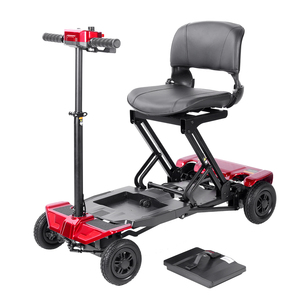
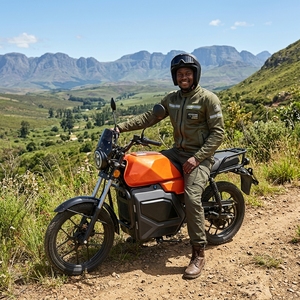
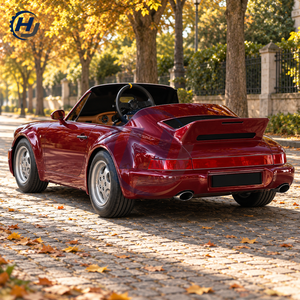
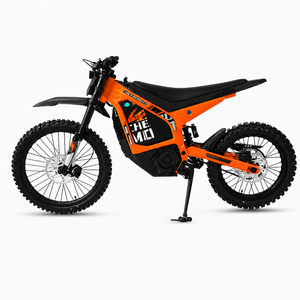
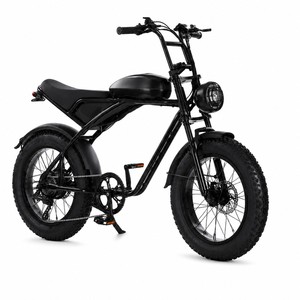
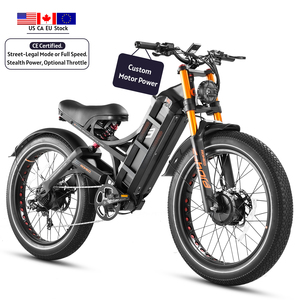
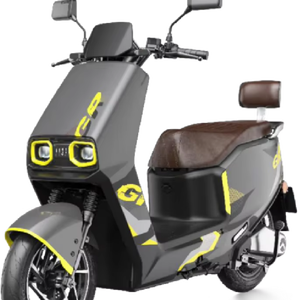
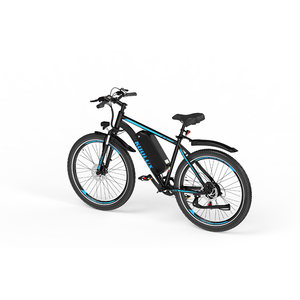
When sourcing low-speed electric vehicles (LSVs) and cruiser-style electric bikes at scale, institutional buyers must evaluate direct factory capabilities beyond basic cosmetic design. Historical industry bottlenecks—such as fragile aftermarket add-ons, unsealed wiring harnesses prone to moisture intrusion, and inconsistent battery management safety—are resolved when partnering with integrated OEM/ODM facilities.
Unlike conventional electric cart factories that supply base chassis stripped of features—forcing distributors to retrofit expensive third-party accessories—our manufacturing philosophy standardizes automotive technology directly on the assembly line.
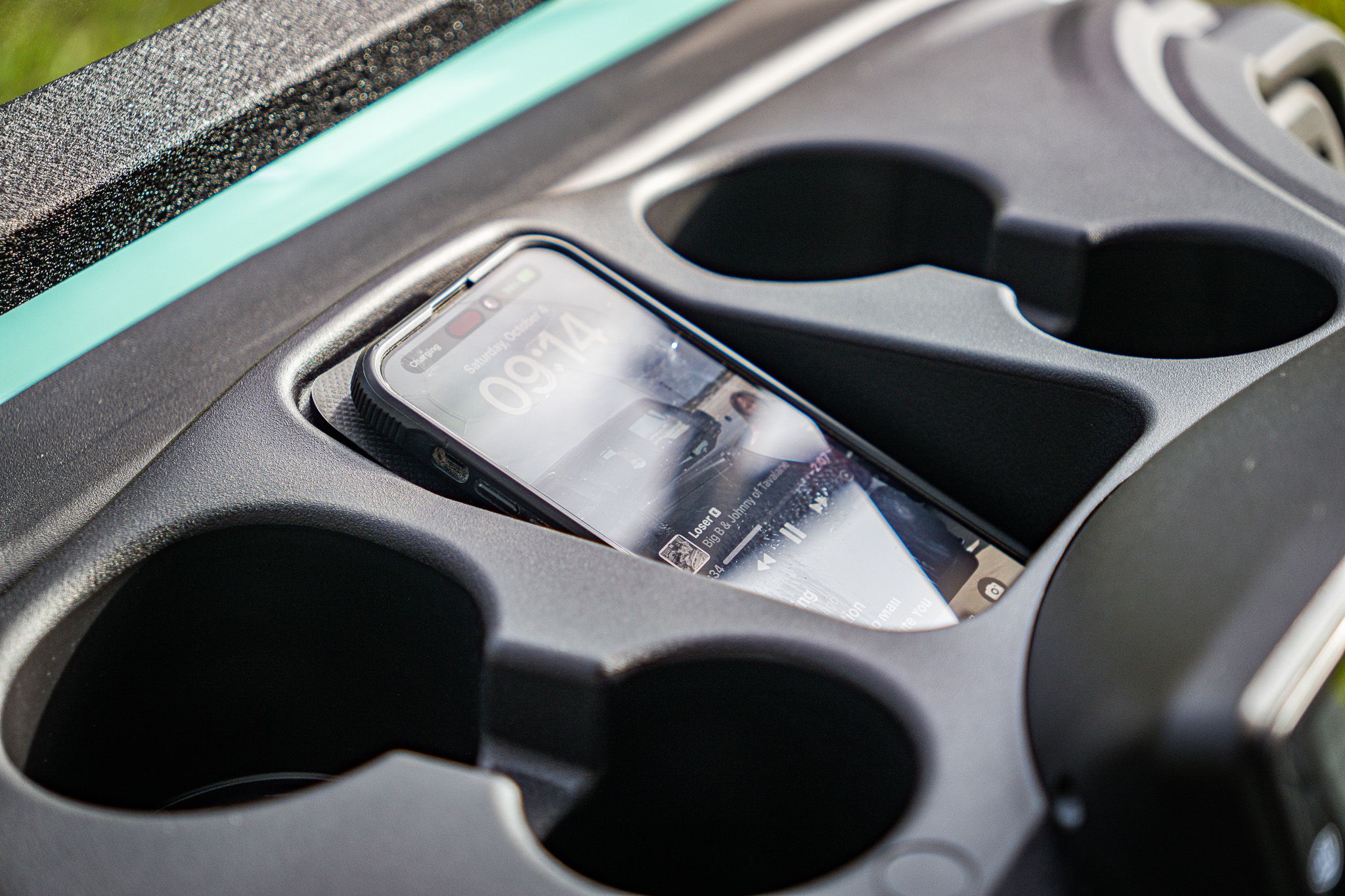
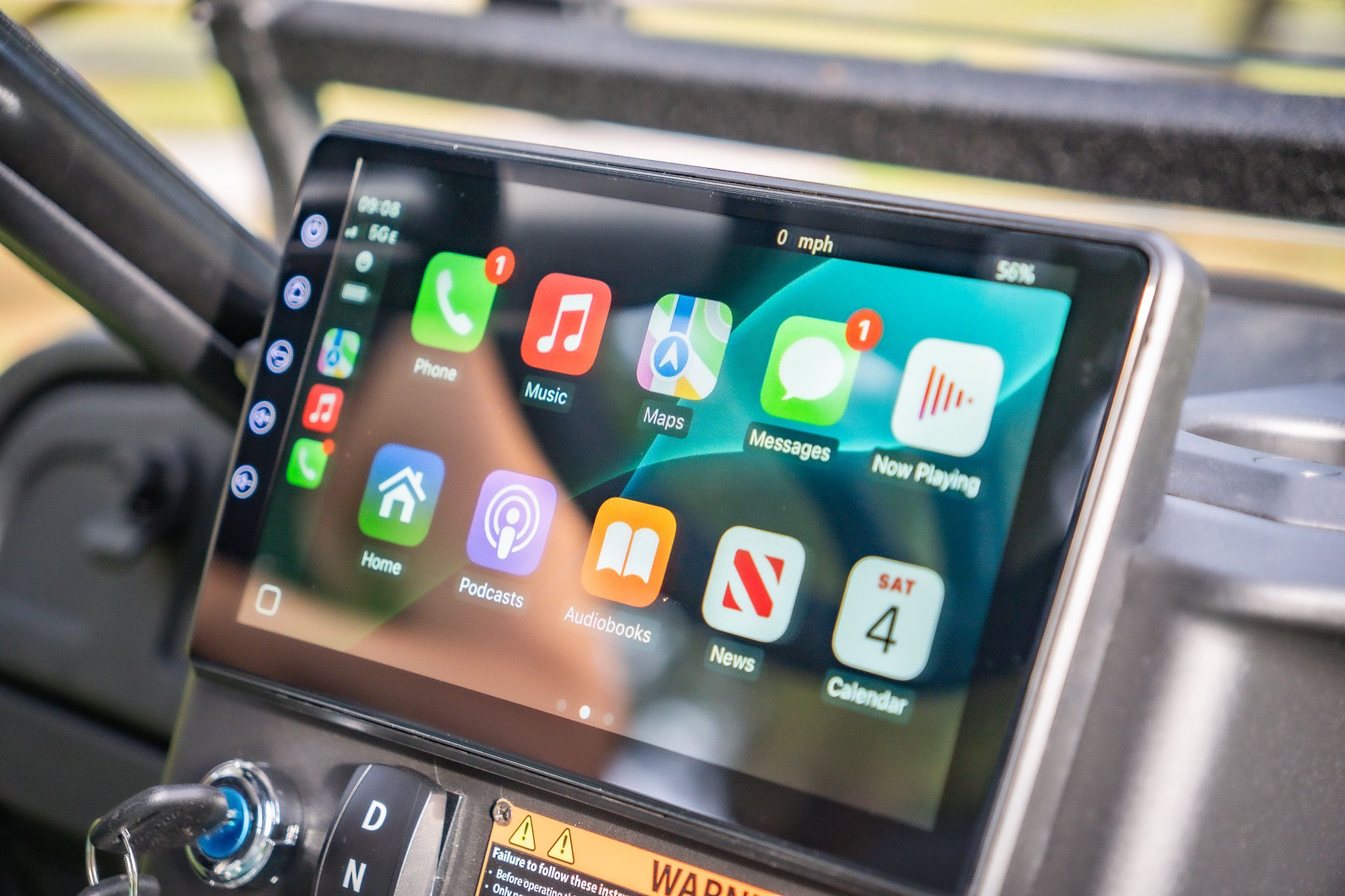
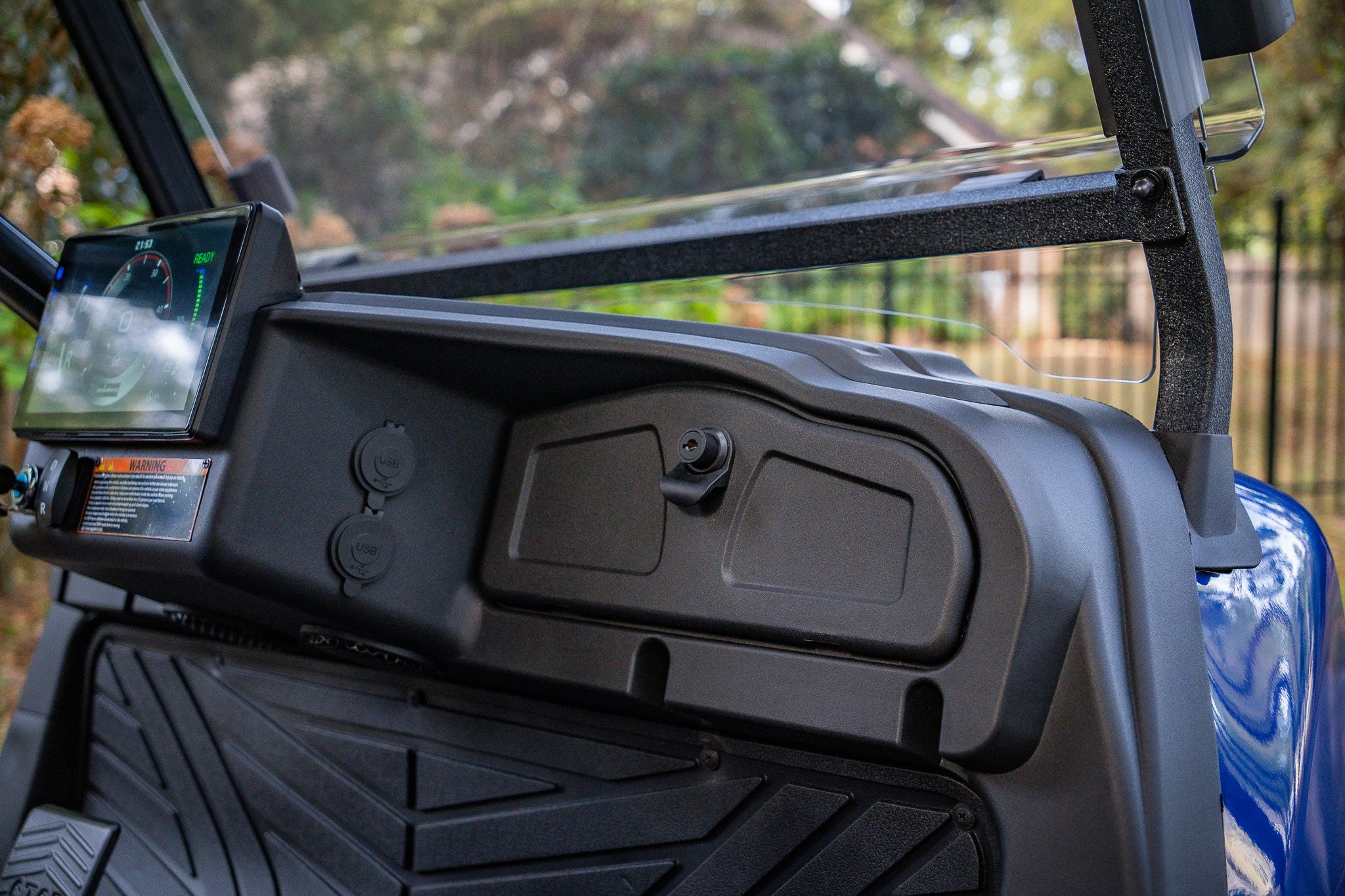
Every cruiser and LSV unit leaves the facility fully equipped with integrated high-definition touchscreen digital displays, IP67-rated wide-angle backup camera systems, inductive wireless device charging pads, and sealed dash storage compartments. This integrated approach guarantees that electrical load dynamics are engineered and validated as a single cohesive system under factory ISO9001 protocols.
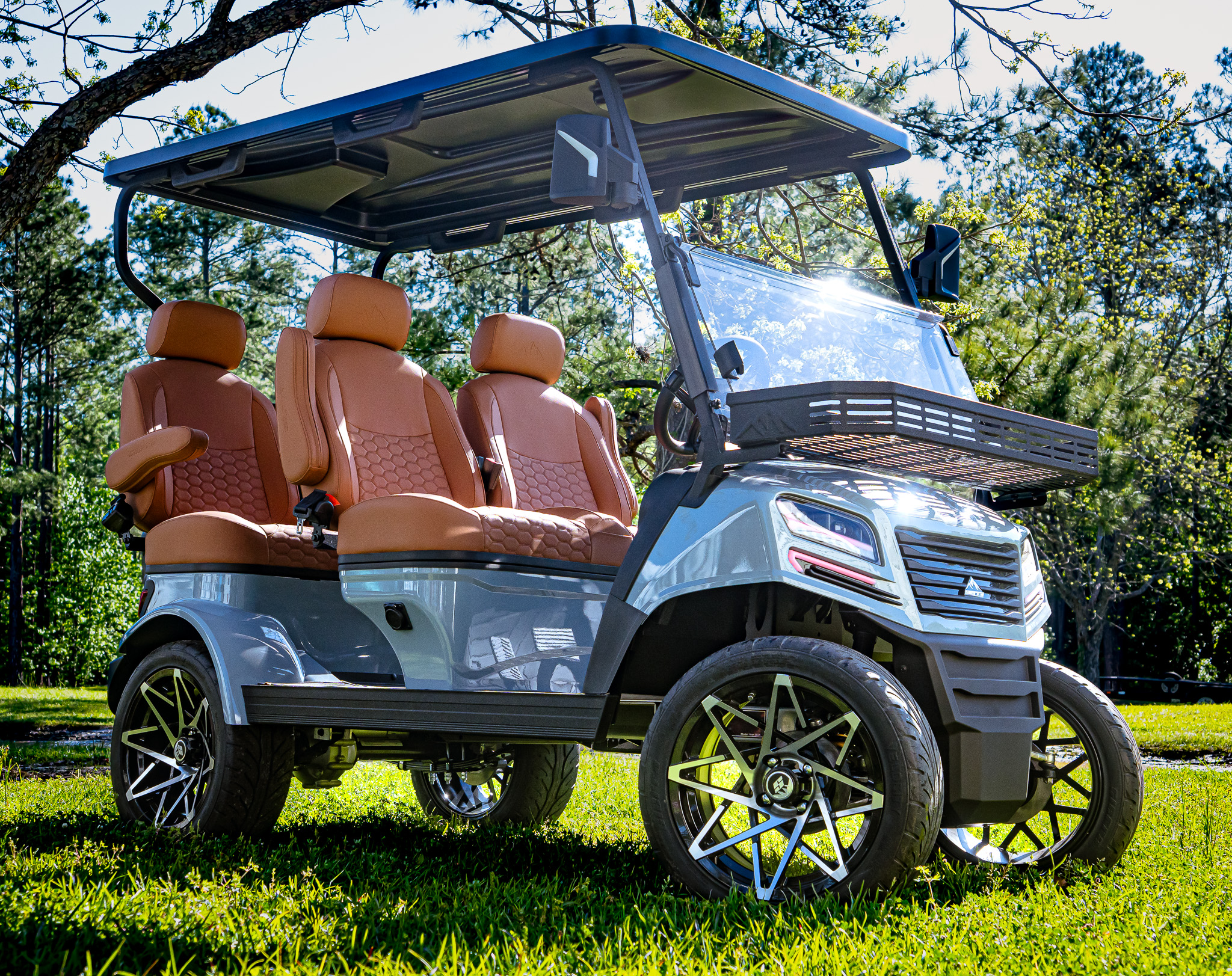
Every low-speed vehicle platform is constructed strictly according to DOT, EEC, and FMVSS 500 regulations. Units come pre-equipped with 17-digit VINs, safety glass windshields, seatbelts, three-point mirror arrays, and street-legal LED signal indicators for seamless road titling.
Utilizing tier-1 LiFePO4 (Lithium Iron Phosphate) cell chemistry equipped with intelligent CAN-bus Smart BMS technology. High thermal stability guarantees over 3,500 active charge cycles, deep discharge protection, and active cell balancing for extreme climate longevity.
Built upon high-yield robotic weld steel frames subjected to electrophoretic immersion dip coating and salt-spray testing. UV-resistant molded ABS panels preserve structural finish against harsh coastal salt air and solar degradation.
A key vector of information gain for commercial procurement agents is analyzing the lifecycle cost differential between integrated factory manufacturing and traditional dealer-level retrofits:
The micro-mobility procurement landscape is undergoing a technological shift driven by regulatory updates, battery chemisty evolution, and IoT telematics adoption. B2B importers, regional distributors, and enterprise purchasing directors must align their procurement strategies with four overarching industry macro-trends:
While traditional electric bicycles relied heavily on low-voltage (36V-48V) rear hub motors, modern electric cruisers are rapidly transitioning to 72V high-torque mid-motor powertrains. Central motor placements yield balanced 50:50 weight distribution, improved thermal dissipation during heavy hill climbs, and higher mechanical efficiency across variable terrain. Procurement orders for resort, off-road, and commercial cargo applications are increasingly specifying mid-drive configurations to reduce wheel hub impact damage.
Fleet managers operating resort transport, municipal security patrols, and commercial rental networks now prioritize platforms embedded with IoT telematics controllers. Smart cruisers featuring GPS tracking, remote geofencing, over-the-air (OTA) firmware updates, and real-time BMS health reporting significantly reduce fleet downtime. Tier-1 suppliers are making CAN-bus telematics API integration a core offering in corporate procurement contracts.
Cross-border distribution requires multi-jurisdictional compliance. Leading electric cruiser factories design platform frames capable of meeting both European Community Whole Vehicle Type Approval (ECWVTA / L3e-A1 standard) and North American DOT / FMVSS 500 LSV criteria. Factory-issued Certificates of Conformity (COC) and 17-digit VIN assignments eliminate custom clearing bottlenecks for importers.
Global environmental regulations now require strict compliance with battery recycling traceability standards. Modern electric cruiser factories are adopting modular slide-out lithium battery packs featuring IP67 quick-connect terminals. Modular battery architecture simplifies field servicing, enables off-board solar charging stations, and extends overall vehicle service life to over a decade through cost-effective battery swaps.
To assist procurement managers in choosing the exact vehicle class for their specific operational requirements, the evaluation table below highlights the engineering parameters across four major electric mobility formats:
| Technical Parameter | Standard Electric Cart | Retro City E-Bike | High-Power Electric Cruiser | Automotive LSV (Sierra Series) |
|---|---|---|---|---|
| Operating Speed Range | 12 - 15 mph (19-24 km/h) | 20 - 28 mph (32-45 km/h) | 45 - 68 mph (70-110 km/h) | 20 - 25 mph (32-40 km/h) |
| Motor Architecture | Brushed/Brushless DC Rear Hub | 250W - 750W Hub Motor | 3000W - 6000W Mid/Hub Drive | 4KW - 5KW AC Induction / IPM |
| Chassis Structure | Standard Steel Tube Frame | 6061 Aluminum Alloy | High-Tensile Steel Backbone | Automotive Ladder Frame / E-Coat |
| Battery Chemistry | Lead-Acid / Basic Lithium | 48V Ternary Lithium | 72V High-Density LiFePO4 | 72V Smart LiFePO4 / CAN-bus |
| VIN Titling Capability | No (Serial Number Only) | No | Optional (L3e Category) | Yes (17-Digit DOT/NHTSA VIN) |
| Standard Infotainment | None / Analog Gauge | Monochrome LCD Display | Digital TFT Instrument Screen | Full Smart Touchscreen + Camera |
| Target Application | Enclosed Golf Courses | Urban Commuting / Delivery | Off-Road / Highway Touring | Neighborhoods, Resorts & Fleets |
The modern electric cruiser represents a convergence between light motorcycle chassis dynamics and advanced automotive powertrain control systems. Factory R&D investments focus heavily on key technological enhancements:
Legacy square-wave controllers suffered from high electrical noise, motor cogging, and lower thermal efficiency. Next-generation cruiser platforms integrate high-efficiency sinusoidal FOC motor controllers. Field-Oriented Control provides smooth, linear acceleration curves, eliminates operational acoustic noise, and recovers up to 15% of braking kinetic energy through intelligent regenerative braking software algorithms.
Safety compliance at elevated operating speeds requires robust braking systems. Certified electric cruiser factories utilize dual-piston and quad-piston hydraulic disc brakes equipped with Combined Braking Systems (CBS) or active Anti-Lock Braking Systems (ABS). Heat-dissipating vented rotor discs prevent brake fade during prolonged downhill descents under maximum payload capacity.
Reliable tier-1 OEM suppliers implement comprehensive end-of-line (EOL) testing procedures for every manufactured unit prior to container loading:
Expand your dealership line or commercial fleet with high-performance, fully loaded electric cruisers and street-legal LSVs. Benefit from protected distribution territories, OEM branding, direct factory warranty coverage, and fast global shipping logistics.