Enterprise Fleet Lineup
Engineered for resort transportation, high-capacity industrial material handling, and street-legal neighborhood low-speed vehicle (LSV) operation.
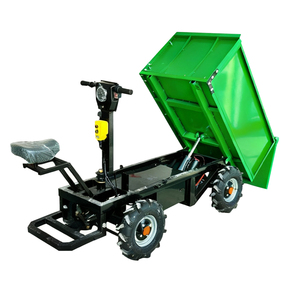 Self-Unloading
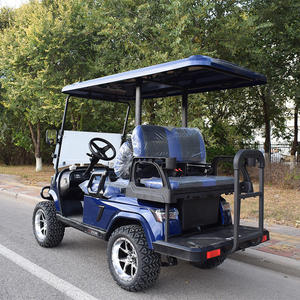 Professional Grade
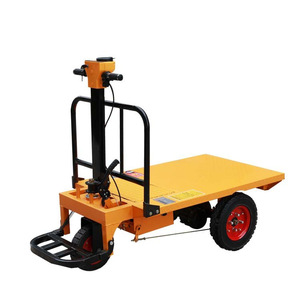 Custom OEM/ODM
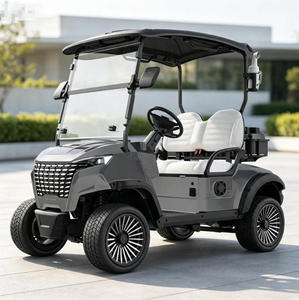 Resort & Fleet
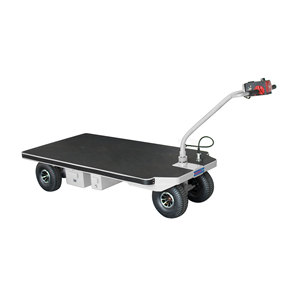 Industrial Platform
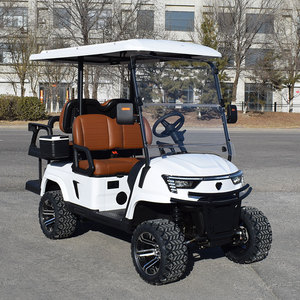 Street Legal LSV
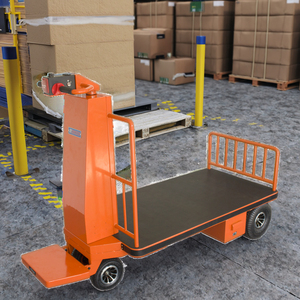 500KG Payload
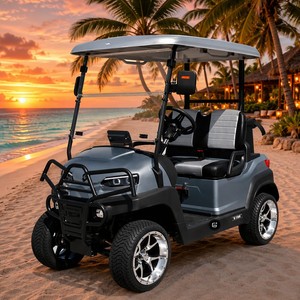 80-100km Range
Industry Insight Whitepaper
The global low-speed electric vehicle (LSV) and shuttle cart market has entered an unprecedented technical transition. Historically dominated by traditional, low-power golf buggies reliant on heavy lead-acid batteries, contemporary commercial operations—spanning gated residential communities, luxury resorts, industrial logistics hubs, and municipal transit—demand high-torque, smart-connected electric shuttle platforms. Sourcing managers and B2B fleet buyers evaluating the Top 10 Shuttle Cart Factory & Supplier options must analyze manufacturing depth, chassis engineering, thermal management, and regulatory compliance standards rather than relying solely on initial purchase price.
In 2026, the baseline expectation for commercial shuttle procurement revolves around total integration: factory-installed automotive technology, integrated telematics, advanced safety restraints, and lithium iron phosphate (LiFePO4) power cells that deliver 3,000+ charge cycles. Commercial operators can no longer afford aftermarket retrofits for backup cameras, touchscreen telemetry, or street-legal LED packages. Modern suppliers must manufacture low-speed vehicles that leave the assembly line fully equipped and compliance-ready for public road registration under U.S. DOT FMVSS 500 and European EEC L7e frameworks.
Shift from 48V lead-acid to 72V LiFePO4 battery platforms with smart CAN-bus Battery Management Systems (BMS) for fast charging, zero maintenance, and extended range up to 100km.
Mandatory integration of 17-digit VIN numbers, automotive safety glass windshields, 3-point seatbelts, hydraulic disc brakes, and certified turn-signal LED suites.
Standardized digital dashboards featuring capacitive touchscreens, integrated reverse cameras, GPS fleet tracking, remote lockable storage, and wireless phone charging pads.
When auditing potential shuttle cart suppliers, procurement managers must distinguish between true original equipment manufacturers (OEMs) and tier-3 assembly operations. Premier factories utilize robotic weld lines for high-tensile steel or aluminum alloy unibody chassis, electro-phoretic coating (E-coat) for anti-corrosion protection in coastal saltwater environments, and rigorous dynamic dyno testing. Assembly vendors often rely on bolted, non-treated frames prone to rust and structural fatigue under heavy passenger loads.
Enterprise Manufacturing Excellence
Sierra LSV was established with a singular engineering directive: eliminate the outdated practice of selling stripped-down, bare-bones utility carts. Spearheaded by powersports, automotive electronics, and golf cart industry veterans, Sierra LSV designs and manufactures fully loaded low-speed vehicles built to withstand continuous commercial duty cycles.
Strategic Sourcing Insights
As commercial fleet operators work toward net-zero targets and operational efficiency, procurement strategies for electric shuttle carts are evolving rapidly. Fleet managers are shifting focus from initial capital expenditure (CAPEX) to 5-year Total Cost of Ownership (TCO), operational uptime, and safety compliance. Below are the key sourcing vectors shaping global contracts:
Traditional direct current (DC) motors require routine brush replacements, generate excessive heat, and suffer from power fade on steep gradients. Leading factories have fully shifted to 3.5kW–7.5kW AC Induction or Permanent Magnet Synchronous Motors (PMSM) controlled by smart controllers (such as Curtis or Toyota Systems). These powertrains offer regenerative braking—recharging the battery bank on downhill descents—while eliminating brush maintenance entirely.
Modern resorts and industrial plants require fleet flexibility. Commercial suppliers must offer scalable chassis platforms that can be configured as 2-seater compact utility vehicles, 4-seater neighborhood commuters, 6-to-8 passenger resort shuttles, or heavy-duty flatbed cargo transports (e.g., 500KG stainless steel platform carts). Platform standardization reduces spare parts inventory costs for fleet operators.
Safety regulations for low-speed transport have intensified. Mechanical drum-only braking systems are no longer acceptable for multi-passenger shuttles. Enterprise buyers now mandate front hydraulic disc brakes combined with rear drum or full 4-wheel hydraulic disc systems, paired with automatic electromagnetic parking brakes (EMB) that lock automatically when the vehicle comes to a stop.
Technical Evaluation
To assist procurement teams in selecting the correct vehicle architecture, the table below compares core engineering specifications across primary commercial electric cart categories:
| Vehicle Class / Category | Motor & Powertrain | Battery Tech | Payload / Seating | Braking System | Ideal Application Environment |
|---|---|---|---|---|---|
| Industrial Mini Dumper & Push Cart | 1.0kW - 1.5kW DC / AC Gear Motor | 48V Lead-Acid / Lithium Pack | 300kg - 500kg Cargo Dump | Mechanical Handle / Disc Brake | Construction Sites, Agriculture, Material Handling |
| 2-Seat Compact Utility Shuttle | 3.5kW AC High-Torque Motor | 48V / 72V LiFePO4 Lithium | 2 Passengers + Cargo Box | Front Disc / Rear Drum + EMB | Campus Maintenance, Security Patrol, Golf Courses |
| 4-Seater Street-Legal LSV | 4.0kW - 5.0kW AC Powertrain | 48V / 72V Lithium System | 4 Passengers (Forward/Flip Rear) | 4-Wheel Hydraulic Disc Brakes | Gated Communities, Urban Commuting, Rental Fleets |
| 6-8 Passenger Resort Shuttle | 5.0kW - 7.5kW Heavy-Duty AC Motor | 72V High-Capacity Lithium Pack | 6 to 8 Passengers | Hydraulic Vacuum-Assisted Disc Brakes | Luxury Hotels, Airports, Theme Parks, Scenic Tours |
| Heavy Stainless Platform Cart | 1.5kW - 3.0kW Motor Transaxle | 48V Maintenance-Free Pack | 500kg Heavy Flatbed Payload | Electromagnetic Auto-Park Brake | Cleanroom Storage, Food Logistics, Marine Docks |
Sourcing Intelligence
Whether expanding a resort rental fleet, specifying industrial material hand trucks, or securing territory dealer rights for street-legal LSVs, our engineering team provides direct factory quotations, technical specifications, and custom OEM/ODM consultation.