Direct factory-engineered electric dumpers, multi-passenger shuttles, flatbed platform carts, and street-legal LSVs built for demanding campus operations.
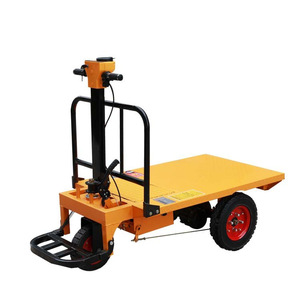
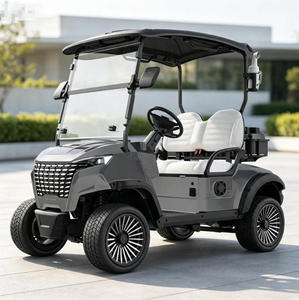
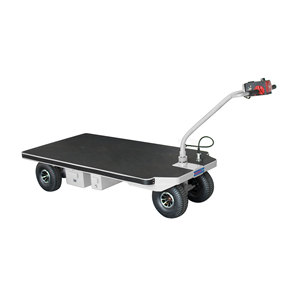
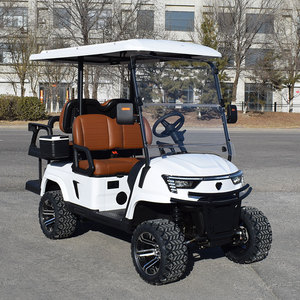
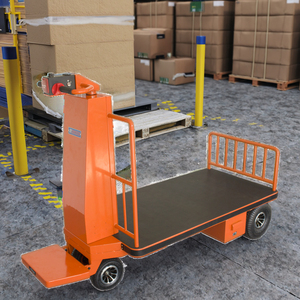
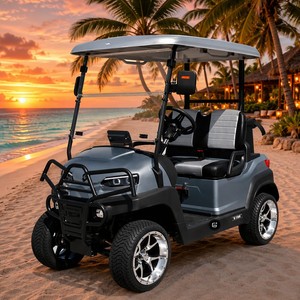
Modern educational institutions, expansive corporate parks, medical complexes, and luxury resort facilities are undergoing a paradigm shift in internal transit logistics. Historically dependent on full-sized gas-powered maintenance trucks or underpowered, retrofitted golf buggies, facility directors now require purpose-built electric Low-Speed Vehicles (LSVs) and motorized platform carts engineered for zero-emission compliance, minimal total cost of ownership (TCO), and strict pedestrian safety.
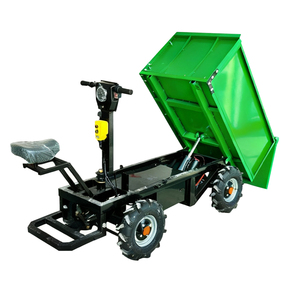
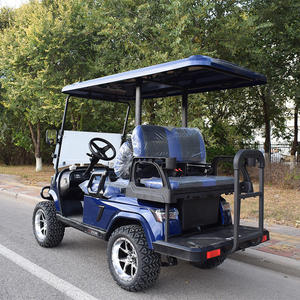
As a leading original equipment manufacturer (OEM) and global supplier, our engineering framework integrates heavy-duty automotive chassis standards with intelligent battery management systems (BMS). Whether managing facility maintenance via motorized self-unloading dumpers like the Nenkeen NK Series or transporting administrative staff across sprawling campuses in our Sierra AX Series street-legal shuttles, sourcing directly from verified tier-1 manufacturers eliminates dealer markups while guaranteeing standardized component availability.
SEO & Procurement Insight: The Google Search Quality Rater Guidelines emphasize Experience, Expertise, Authoritativeness, and Trustworthiness (E-E-A-T). When sourcing campus cart fleets, enterprise buyers must evaluate beyond baseline retail prices to examine structural VIN compliance, battery degradation rates under daily duty cycles, and frame anti-corrosion treatability.
Our carts utilize interchangeable chassis configurations—allowing quick conversions between 4-passenger seating, flatbed haulers, and enclosed security patrol cabs without re-engineering suspension geometries.
Moving away from legacy lead-acid cells, integrated Lithium Iron Phosphate (LiFePO4) packs deliver 3,500+ charge cycles, zero maintenance requirements, and rapid 2-hour opportunistic charging.
Equipped with 17-digit VINs, three-point seat belts, DOT-certified windshields, hydraulic disc brakes, and integrated backup cameras for full compliance on public and internal campus roads.
Navigating fleet acquisition over the next decade requires anticipating regulatory changes, autonomous integration, and operational efficiency metrics. Below are the primary technical shifts governing B2B procurement decisions:
Legacy 36V or 48V brushed DC motors are rapidly being phased out due to brush wear and thermal throttling during heavy incline operation. Modern campus fleets require 3.5kW to 7.5kW Permanent Magnet Synchronous Motors (PMSM) or AC Induction systems coupled with smart controllers (e.g., Curtis or Toyota AC architecture). These powertrains offer regenerative braking—recharging the battery bank during downhill descents—reducing brake pad wear by up to 60%.
Campus fleet operations are demanding real-time visibility. Modern OEM suppliers integrate CAN-bus telematics modules allowing facility managers to monitor battery state-of-charge (SoC), track GPS geofencing perimeter breaches, receive automated fault codes, and electronically limit speed zones near heavy pedestrian walkways (e.g., capping speeds dynamically to 8 mph in quad zones and 25 mph on campus perimeter roads).
A major friction point for B2B buyers has been procuring "stripped-down" base carts and relying on local dealers to install aftermarket light kits, rear view mirrors, and screen displays. The current industry trend favors factory-integrated standard equipment—where touchscreens, backup cameras, wireless device chargers, lockable dash compartments, and street-legal lighting packages are built directly on the automated assembly line, validated under single factory warranties.
Choosing the correct equipment class ensures regulatory compliance and long-term operating efficiency. The table below details the performance parameters across three primary product categories:
| Evaluation Criteria | Standard Golf Buggy | Heavy-Duty Industrial Flatbed / Dumper | Sierra / GreenRider Street-Legal Campus LSV |
|---|---|---|---|
| Primary Application | Short-distance passenger transit | Bulk maintenance, waste dumping, campus logistics | Multi-passenger transit & security patrol |
| Top Speed Capabilities | 12 – 15 mph (19 – 24 km/h) | 10 – 18 mph (16 – 29 km/h) | 20 – 25 mph (32 – 40 km/h) (LSV Class) |
| Payload / Towing Capacity | 300 kg (660 lbs) | 500 kg – 1000 kg (1100 – 2200 lbs) | 450 kg – 600 kg (990 – 1320 lbs) |
| Street Legal Potential (DOT/VIN) | No (Restricted to course/private property) | Limited (Site-specific registration) | Yes (17-digit VIN, FMVSS 500 compliant) |
| Powertrain Technology | Lead-Acid or basic DC motor | High-Torque 48V/72V Motor with Hydraulic Lift | 3.5kW - 5kW AC Motor with LiFePO4 BMS |
| Standard Tech Package | None (Analog indicators) | Basic battery state meter & heavy safety lights | 9-inch Touchscreen, Backup Camera, Wireless Charging |
Founded on rigorous engineering principles, our manufacturing base bridges the gap between commercial-grade durability and modern automotive luxury. Unlike assembly vendors who simply assemble third-party kits, our factory controls the entire production workflow—from robotic frame welding and cathodic dip coating to electronic harness testing and final VIN assignment.
Every platform chassis is constructed using high-tensile carbon steel, subjected to electrophoretic deposition (ED) coating to resist rust from road salt, fertilizers, and coastal moisture environments.
We tailor solutions for bulk institutional orders—including custom fleet colors, university logo wraps, specialized utility beds (enclosed cargo boxes, ambulance stretchers, ladder racks), and bespoke voltage configurations.
Every vehicle undergoes a 50-point inspection protocol including water-tightness testing, dynamic incline braking trials, high-load battery thermal audits, and electronic diagnostic validation before container loading.
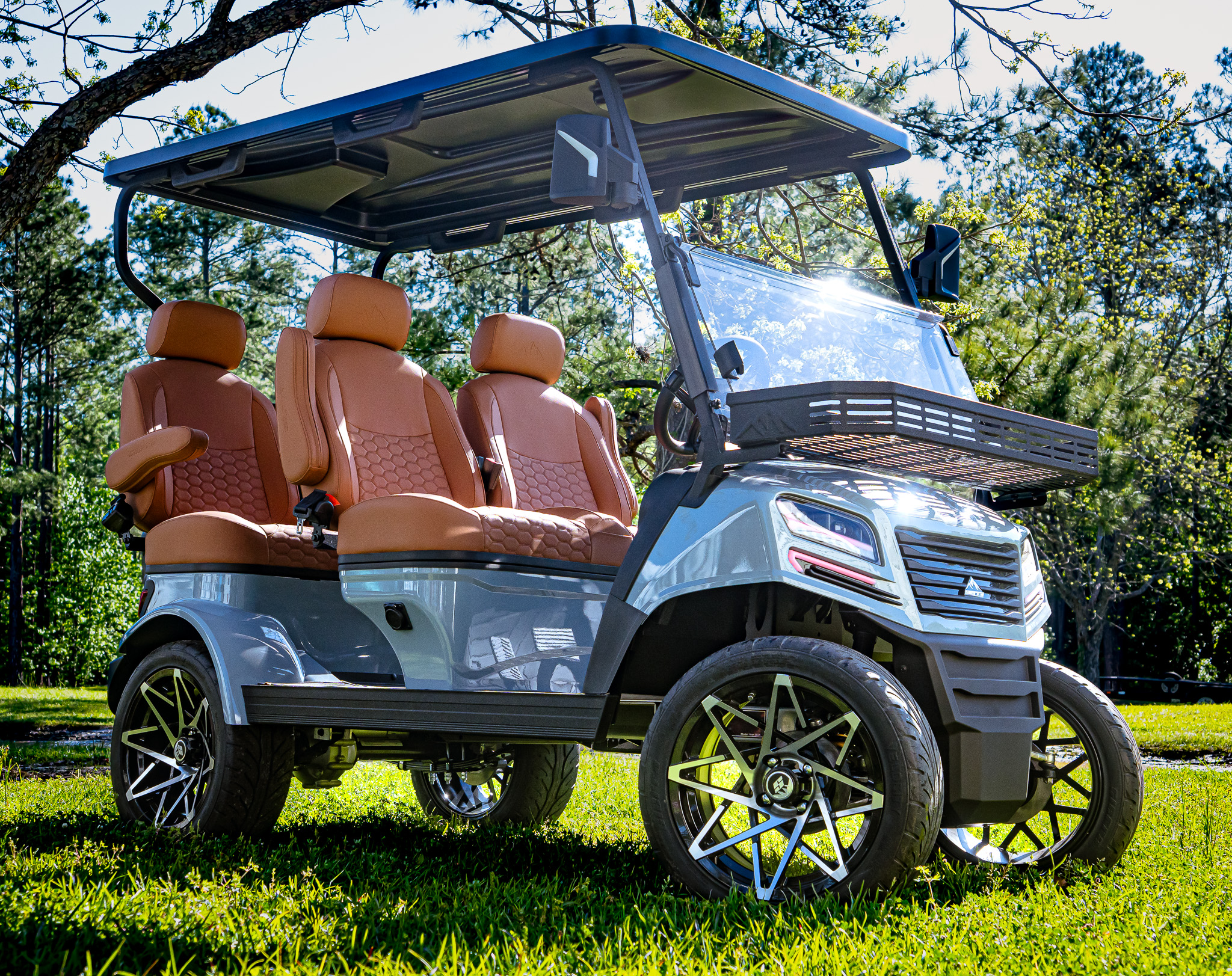
Key answers to technical, legal, and operational questions commonly raised by facility directors and procurement teams during RFP evaluation:
An LSV is a federal classification for motor vehicles with top speeds between 20 mph and 25 mph, governed by FMVSS No. 500 standards. LSVs must be equipped with headlights, taillights, turn signals, mirrors, reflex reflectors, windshields made of safety glass, seat belts, and a 17-digit Vehicle Identification Number (VIN). Standard golf carts are limited to ~15 mph and lack these factory-certified safety components required for public street registration.
Lithium Iron Phosphate (LiFePO4) chemistry offers 3,500 to 5,000 charge cycles at 80% Depth of Discharge (DoD), equivalent to 8–10 years of typical daily campus use. Unlike lead-acid batteries, LiFePO4 batteries require no water topping, produce no hazardous acid fumes, feature built-in thermal protection, and weigh roughly 50% less—significantly extending tire and brake life.
Yes. Our factory provides integrated hydraulic or electric self-unloading dump beds (such as seen on our Mini Dumper series), flatbed stake sides, tool racks, tow hitches, and rear flip-seats that convert from passenger transport to a 250kg-rated flat cargo deck in seconds.
We supply complete spare parts catalogs alongside initial fleet shipments, including wear-and-tear components (brake pads, tires, switches). Major electronic subsystems (Controllers, Motors, Chargers) use standardized modular connectors for plug-and-play field replacement. Our engineering team provides direct remote technical support and schematic documentation.
All vehicles feature programmable electronic speed controllers. Fleet managers can request factory speed limits set anywhere from 8 mph to 25 mph. Furthermore, dual hydraulic disc braking, keyless RFID ignition options, and emergency kill switches ensure uncertified operators cannot misuse the fleet.
Standard production lead times range from 15 to 25 business days depending on order volume and customization specifications. Shipping times vary by destination port, with full container load (FCL) shipping providing the most economical freight rates for bulk campus deployments.
Contact our factory sales engineering team today to request comprehensive engineering specifications, bulk pricing tiers, and customized OEM fleet solutions.