Explore our heavy-duty motorized cart systems, high-efficiency platform trucks, and street-legal LSV golf vehicles engineered for low-speed electric mobility.
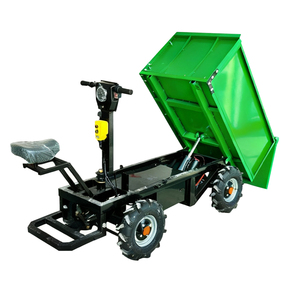
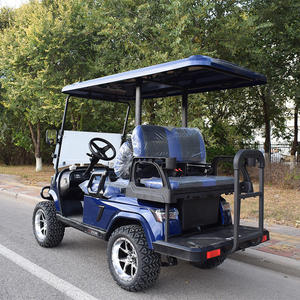
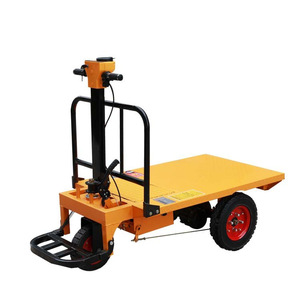
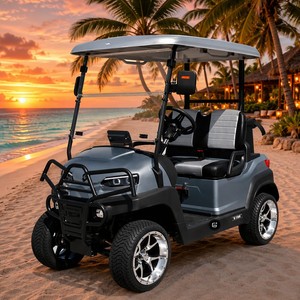
A rigorous industrial perspective on custom electric powertrain development, stator winding topology, and integrated transaxle assembly for commercial carts.
In the modern low-speed electric vehicle (LSV) and industrial trolley ecosystem, selecting the optimal motor architecture directly governs energy conversion efficiency, thermal endurance, and payload capacities. As a specialized OEM/ODM cart motor manufacturer, our engineering labs focus on two dominant electromagnetic configurations: Brushless Alternating Current (AC) Induction Motors and Permanent Magnet Synchronous Motors (PMSM).
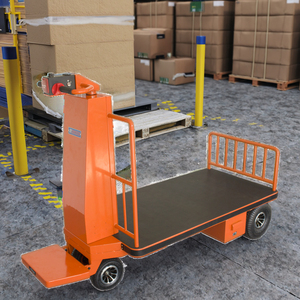
While traditional brushed DC motors suffered from rapid carbon brush wear, thermal degradation under high torque loads, and excessive maintenance cycles, modern 48V and 72V AC induction and PMSM systems deliver brushless, maintenance-free operation. PMSM architecture delivers exceptional torque density per kilogram by leveraging high-coercivity Neodymium Iron Boron (NdFeB) magnets, reaching peak system efficiencies beyond 96%. Conversely, AC induction motors provide rugged resilience in extreme thermal environments—making them ideal for heavy-duty industrial dumpers, 500kg stainless steel flatbed trolleys, and continuous-duty warehouse material handling equipment.
Off-the-shelf electric motors rarely satisfy the nuanced demands of specialized chassis designs, regional regulatory constraints, or complex duty cycles. Our factory integration process provides full-stack OEM and ODM customization across key motor components:
Comprehensive comparative analysis of motor topologies designed for electric golf carts, warehouse platform trucks, and hand-push trolleys.
| Motor Series | Voltage & Power Range | Motor Topology | Max Torque (Nm) | IP Rating | Primary Target Application |
|---|---|---|---|---|---|
| Series-X Utility | 24V – 36V / 350W – 1.2kW | BLDC Hub / Differential | 35 – 85 Nm | IP65 | Hand Push Trolleys, Electric Mini Dumpers |
| Series-P Flatbed | 48V / 1.5kW – 3.0kW | AC Induction / Transaxle | 90 – 160 Nm | IP66 | 500KG Platform Carts, Warehouse Flatbeds |
| Series-G Fleet | 48V – 72V / 3.5kW – 5.0kW | High-Torque PMSM | 140 – 240 Nm | IP67 | 2–4 Seater Golf Carts, Resort Shuttles |
| Series-HD LSV | 72V / 5.0kW – 7.5kW | PMSM / Integrated E-Axle | 220 – 380 Nm | IP67 | 6-Seater LSVs, Street-Legal Commercial Carts |
Why leading global brands choose our custom motor assemblies and integrated transaxles for OEM production lines.
Seamless communication with advanced sinusoidal controllers. Delivers ultra-smooth acceleration curves, zero low-speed jerkiness, and precise torque control on steep inclines.
Embedded Class H ($180^\circ\text{C}$) insulation wire along with real-time NTC/PTC thermistor sensors prevents winding burnout during heavy continuous uphill climbs or maximum payload overloads.
Optimized electromagnetic back-EMF profile converts kinetic deceleration force back into battery charge, expanding real-world driving range by 15% to 22% per operational cycle.
Precision-ground helical gearsets combined with low-cogging motor rotor designs reduce operational noise below 58 dB, providing a silent, premium riding experience.
Fully compatible with 48V and 72V LiFePO4 battery management systems (BMS), featuring customizable low-voltage cut-offs and peak current surge protection.
Automatic electromagnetic brake engagement upon complete vehicle stop ensures zero rollback on 30% slopes, meeting rigorous DOT street-legal safety standards.
Key technological shifts driving global supply chains, factory automation, and next-generation resort electric cart manufacturing.
While 48V electric architectures remain the historical standard for legacy golf carts, the global low-speed vehicle market is rapidly shifting toward 72V high-efficiency systems. Higher system voltages significantly reduce current draw for the same power output ($P = V \times I$), lowering resistive thermal losses in wire harnesses and battery pack interconnects. For OEM manufacturers, 72V motor setups translate into cooler operating temperatures, faster acceleration, and extended driving ranges up to 100km per single charge.
Industrial procurement teams are increasingly shunning modular component sourcing (buying motor, gearcase, and differential separately) in favor of integrated E-Axle assemblies. An integrated E-Axle houses the AC/PMSM motor, multi-stage planetary or helical gear reducer, and differential lock within a single die-cast housing. This modular approach reduces assembly line labor for cart factories by over 40%, eliminates alignment errors, and lowers overall vehicle curb weight.
Modern commercial cart fleets—deployed in airports, university campuses, resorts, and automated warehouses—require real-time diagnostics. Advanced OEM cart motors now integrate built-in CAN-bus (J1939 or CANopen) chips directly into the encoder harness. Fleet management platforms can remotely monitor motor temperature, winding vibration, rotor RPM, and power consumption, enabling predictive maintenance long before mechanical component failure occurs.
Built by engineers who ride and test what they manufacture. Standard high-level equipment, verified field durability, and direct factory support.
Our OEM manufacturing facility was established with a clear mission: eliminate stripped-down, low-quality platforms and deliver fully loaded, automotive-grade utility carts and motor systems. Founded by veterans from the powersports, golf car, and automotive electronics industries, every motor, controller, and vehicle chassis we build is validated under real-world operational stress—loaded to max capacity, across rough terrain, heat, humidity, and corrosive coastal salt environments.
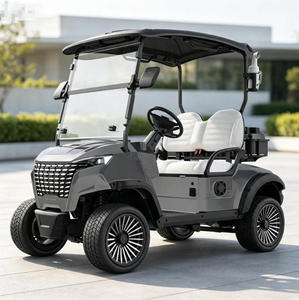
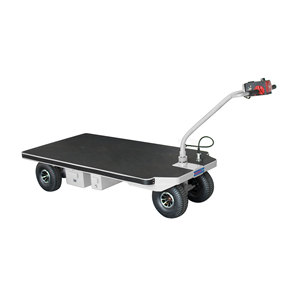
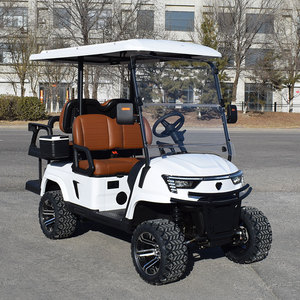
When sourcing cart motors or complete custom vehicles (from 2-seater compact commuters like the AX2 to heavy-duty 6-seater LSVs like the AX6, or specialized 500kg stainless steel hand platform trucks), B2B buyers gain distinctive factory advantages:
Expert guidance on custom orders, engineering lead times, IP ratings, and global OEM partnerships.
Partner with an industry-leading cart motor manufacturer. Accelerate your production timeline with custom sample prototyping, factory-direct bulk pricing, and full engineering support.