Engineered for high-intensity commercial workflows, warehouse logistics, resort operations, and street mobile vending.
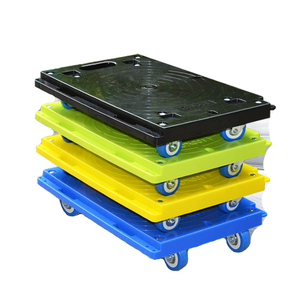
High-impact PP & aluminum composite frame, silent heavy-duty casters, 300KG load capacity for logistics and workshop applications.
Send an Inquiry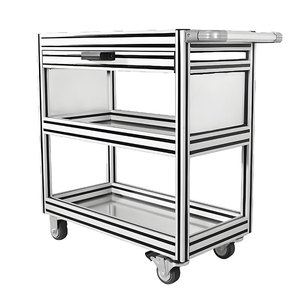
Modular industrial aluminum profile construction, ergonomic handles, customizable shelf height for assembly lines and factory floors.
Send an Inquiry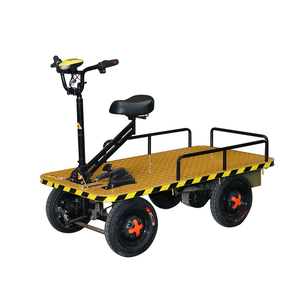
High-torque electric motor drive, long-range lithium battery pack, non-slip steel bed engineered for heavy industrial material haulage.
Send an Inquiry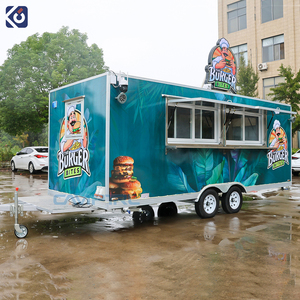
DOT/CE-compliant fully equipped commercial mobile kitchen trailer featuring food-grade 304 stainless steel interior and exhaust system.
Send an Inquiry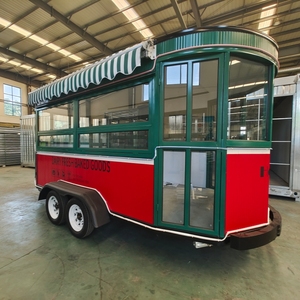
Aerodynamic fiberglass body shell, dual-axle braking system, custom interior layout optimized for mobile coffee, beverage, and snack retail.
Send an Inquiry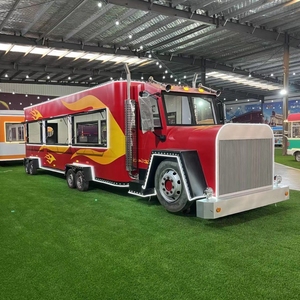
Weatherproof galvanized chassis, integrated water purification tanks, LED ambient illumination, tailored for high-volume urban vending.
Send an Inquiry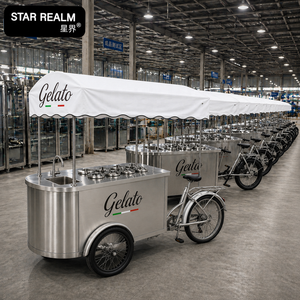
Ultra-low temperature refrigeration compressor (-18°C to -22°C), battery-powered thermal retention, retro European street styling.
Send an Inquiry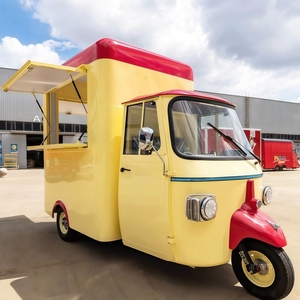
Vintage Italian aesthetic three-wheeled motorized cart, integrated espresso machine power circuit, high-turnover coffee station setup.
Send an InquiryCombining automotive-grade structural engineering with cost-effective Chinese supply chain dynamics.
Automated robotic arm welding delivers seamless structural joints for heavy-duty chassis, preventing frame fatigue and extending operation life under 1000kg+ loads.
Every commercial vehicle and mobile food trailer is constructed in strict adherence to CE, DOT, NSF, and EEC road-legality and food-safety specifications.
From custom thermal insulation to 3D interior layout blueprints, our engineers provide complete CAD/3D modeling within 48 hours for tailored B2B orders.
In the modern industrial and commercial ecosystem, mobility equipment—ranging from warehouse heavy-duty electric flatbed trucks to specialized street food trailers—serves as the backbone of operational efficiency and mobile revenue generation. As global enterprises seek to optimize supply chain expenditures while elevating structural durability, China’s commercial cart manufacturers have evolved from low-cost assemblers into technology-driven OEM/ODM powerhouses.
This industry whitepaper explores the critical structural, technological, and regulatory dynamics governing commercial cart procurement from top Chinese suppliers. By examining material science breakthroughs, automated manufacturing standards, and future procurement trends, purchasing directors can make data-backed sourcing decisions that yield maximum Return on Investment (ROI) and minimum Total Cost of Ownership (TCO).
The lifespan of a commercial cart is fundamentally determined by its structural metallurgy and polymer chemistry. Leading Chinese factories have shifted away from untreated mild steel to high-performance composite materials engineered for specific stress environments:
To assist procurement managers in matching operational intent with exact vehicle specifications, the comparison table below outlines the core engineering parameters across major commercial cart categories offered by Chinese OEM suppliers:
| Cart Category | Primary Material | Payload Capacity | Powertrain / Propulsion | Compliance Standards | Target Application |
|---|---|---|---|---|---|
| Warehouse Logistics Flatbed | Carbon Steel / Aluminum | 500KG - 1500KG | DC Brushless / Lithium LiFePO4 | CE, ISO9001 | Industrial Warehousing & Distribution |
| Mobile Food Kitchen Trailer | SUS304 Steel & Fiberglass | 1000KG - 3500KG | Towable Dual-Axle / Hydraulic Brake | DOT, EEC, NSF, CE | Street Food Vending & Outdoor Catering |
| Rolling Workshop Tool Cart | Reinforced PP & Aluminum | 150KG - 400KG | Manual / TPR Silent Casters | RoHS, REACH | Automotive Repair & Assembly Lines |
| Refrigerated Gelato Cart | Galvanized Sheet & SUS304 | 200KG - 500KG | Solar/Battery Compressor Vending | CE, ISO14001 | Gourmet Ice Cream & Resort Retail |
| Three-Wheel Commercial Vending | Retro Tubular Frame | 300KG - 800KG | Electric Motor / Gasoline Engine | CCC, Euro 5 / CE | Specialty Coffee & Urban Stalls |
As corporate sustainability mandates intensify and labor costs fluctuate worldwide, the commercial cart manufacturing sector in China is undergoing a massive transformation driven by three core technology trends:
Manual material handling is rapidly transitioning toward motorized assistance. Modern electric flatbed carts and food trucks now integrate smart LiFePO4 (Lithium Iron Phosphate) battery packs featuring advanced BMS units. These systems monitor cell voltage, temperature, and cycle longevity in real-time, delivering up to 3,000 charge cycles while eliminating lead-acid environmental hazards.
Enterprise buyers managing large fleets of logistics turnover carts or municipal vending vehicles are demanding connected telematics. Chinese Tier-1 suppliers are embedding GPS tracking, weight sensors, and remote diagnostic modules directly into the cart chassis. This allows logistics directors to monitor equipment location, prevent overload abuse, and schedule predictive maintenance automatically.
In the mobile catering sector, off-grid sustainability is a major differentiator. Future-ready food trailers incorporate flexible, roof-mounted monocrystalline solar panels linked to high-capacity inverter banks. This hybrid solar setup powers auxiliary lighting, refrigeration compressors, and point-of-sale (POS) systems without requiring constant generator operation, drastically reducing carbon emissions and noise pollution.
Procuring commercial carts directly from Chinese manufacturers offers substantial cost leverage, but success depends on rigorous supplier verification. B2B buyers must implement a four-stage vetting process before placing mass production orders:
Addressing the technical, regulatory, and logistics queries most frequently raised by international B2B buyers.
MOQs vary depending on cart complexity. For standard industrial PP or aluminum rolling tool carts, factory MOQs typically start at 50–100 units. For fully customized mobile food trailers, specialized gelato push carts, or electric warehouse flatbed trucks, Tier-1 factories support low MOQs starting at 1 to 5 units to facilitate fleet evaluation.
Yes. Reputable Chinese manufacturers design food trailers specifically to meet destination market homologation rules. This includes providing 17-digit Vehicle Identification Numbers (VIN), DOT-approved trailer couplers and axles, LED tail-light harnesses complying with SAE/CE standards, and NSF-certified interior stainless steel surfaces.
Quality factories utilize a multi-stage surface treatment process. Steel chassis undergo hot-dip galvanization or high-durability zinc-rich primer coating, followed by electrostatically applied outdoor-grade thermosetting powder coating (minimum 80–100μm thickness). Stainless steel variants utilize high-nickel SUS304 alloys to resist salt spray and atmospheric corrosion.
Standard enterprise warranties provide 2 to 5 years of coverage on structural frames and 12 to 24 months on electric motors, controllers, and lithium battery systems. Leading suppliers maintain global spare parts inventories and offer rapid replacement dispatch via international air freight.
Absolutely. Professional OEM/ODM suppliers employ in-house structural and electrical engineers who produce complete 3D CAD drawings and interior layout renders. This allows clients to verify kitchen equipment placement, weight distribution, and electrical load capacity prior to metal fabrication.
Elevate your fleet capabilities with custom-engineered rolling tools, electric warehouse haulers, and commercial food trailers built to international standards.