Explore our factory-direct product catalog engineered for low-speed vehicles (LSV), golf carts, commercial fleets, and automotive replacement assembly line integration.
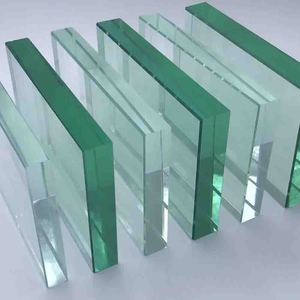
The global Low-Speed Vehicle (LSV), Neighborhood Electric Vehicle (NEV), and specialized golf cart industries are undergoing a paradigm shift. Historically treated as rudimentary plastic clear-flaps, modern cart windshield assemblies now demand automotive-grade glass technology, extreme UV durability, hydrophobic clear-vision coatings, and advanced safety compliance (DOT Z26.1, ECE R43). As the primary hub for global automotive glazing production, top Chinese windshield factories have evolved from simple glass benders into integrated Tier-1 systems engineering partners.
Whether configuring a custom fleet of 2026 luxury neighborhood street-legal LSVs (such as the Sierra AX series equipped with integrated infotainment dashboards and backup cameras) or sourcing high-volume replacement windshield glass assemblies for utility carts, understanding material engineering choices is paramount. Top Chinese factories utilize state-of-the-art CNC glass edge grinding, automated cleanroom PVB laminating lines, and optical distortion inspection scanners to deliver pristine optical performance.
Choosing the correct substrate for golf cart windshields impacts crash safety, vehicle payload weight, scratch longevity, and street-legal vehicle titling. The technical matrix below summarizes engineering trade-offs.
| Performance Metric | High-Impact Polycarbonate (PC) | Optical Acrylic (PMMA) | OEM Laminated Glass (PVB Interlayer) | Tempered Safety Glass |
|---|---|---|---|---|
| Impact Resistance (ANSI Z26.1) | Exceptional (Shatterproof) | Moderate (Cracks under stress) | High (Retains integrity when cracked) | Very High (Crumbles into harmless granules) |
| Scratch Resistance (Taber Abrasion) | Low (Requires Hardcoat) | Moderate | Maximum (9H Mohs Hardness) | Maximum (9H Mohs Hardness) |
| UV Stability (10-Year Exposure) | Prone to yellowing without UV-stabilizer | Good UV resistance | 100% UV Protection (99.9% Rejection PVB) | 100% UV Stable (Requires tint film for UV) |
| Street Legal Titling (DOT / ECE) | AS-4 / AS-5 Approved | Off-Road / Resort Only | AS-1 Automotive Grade (DOT-618) | AS-2 Side/Rear Approved |
| Optical Clarity & Distortion | ±0.25 Diopters | ±0.15 Diopters | ±0.05 Diopters (Crystal Clear) | ±0.05 Diopters (Crystal Clear) |
| Weight Efficiency | Ultra-light (~50% of glass) | Lightweight (~55% of glass) | Standard Automotive Weight | Standard Automotive Weight |
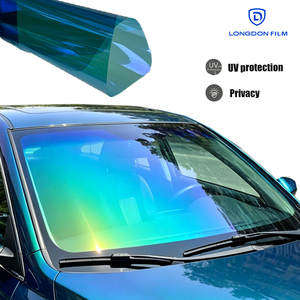
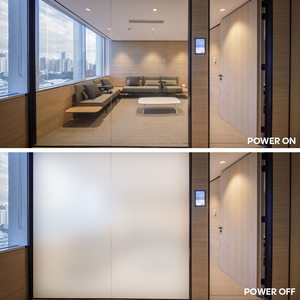
Next-generation luxury golf carts and resort LSVs are integrating Polymer Dispersed Liquid Crystal (PDLC) electronic dimming films directly within laminated glass layers. With a push of a button or automatically via ambient lux sensors, windshields transition from crystal clear to opaque privacy shade, shielding occupants from solar glare and reducing cabin heat absorption by up to 88%.
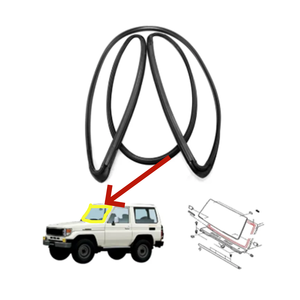
Moving away from loose, push-on EPDM rubber trims that detach during high-speed trailering or heavy rain, OEM manufacturers are procuring windshields with pre-encapsulated polyurethane (PU) or TPE injection-molded gaskets. This zero-gap manufacturing technique ensures 100% water sealing, noise reduction, and lightning-fast assembly line integration.
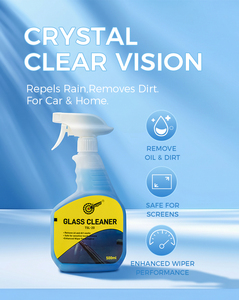
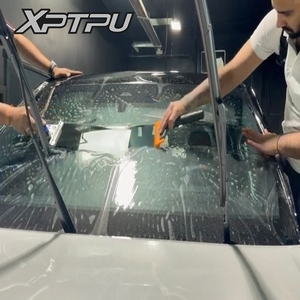
Fleet operators operating in coastal resorts, humid climates, or dusty off-road courses are adopting factory-applied hydrophobic ceramic coatings and optical TPU nano-armor protective films. These self-healing protective barriers repel water droplets without needing mechanical wipers and prevent flying debris from chipping glass substrates.
Modern golf cart styling has shifted from boxy flat frames to aerodynamic, automotive-inspired curves. Top Chinese factories leverage automated 3D digital hot-bending furnaces controlled by infrared thermal imaging sensors. This ensures stress-free glass curvature that seamlessly matches complex aluminum roll cages without inducing double-vision optical distortion.
Neighborhood Electric Vehicles (NEVs) operate quietly, making wind noise and HVAC energy drain far more noticeable. By embedding acoustic acoustic-PVB (A-PVB) interlayers and low-emissivity (Low-E) metallic sputter coatings, Chinese glass manufacturers help EV builders extend battery range by reducing air conditioning electrical loads during hot summer operations.
Designing and manufacturing reliable windshield systems requires deep domain experience, state-of-the-art testing equipment, and robust quality control systems. Here is how our OEM manufacturing capabilities empower global brands:
From initial 3D CAD modeling and prototype sampling (7-day rapid turnarounds) to mass mold creation, we accommodate custom frame dimensions, specialized hole punch cutouts for wipers, hinge mounts, and integrated logo silk-screening (dot matrix printing).
Every production batch undergoes destructive drop-ball impact tests, high-humidity thermal chamber cycling (-40°C to +90°C), salt spray corrosion tests for weatherstrip hardware, and spectrophotometric light transmission verification.
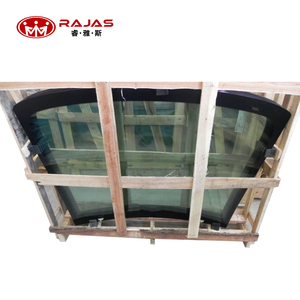
Overseas shipping of automotive glass demands extreme care. We utilize custom fumigated wooden crates, steel A-frame containers, corner guard protection, and anti-static inter-leaf powder to ensure zero breakage across ocean and air freight channels.
Get authoritative answers to technical, commercial, and logistical questions regarding golf cart and automotive windshield procurement.
AS-1 glass is laminated safety glass that has passed specific optical light transmission test requirements (minimum 70% light transmittance) and impact resistance tests. It is mandatory for primary vehicle windshields driving on public roads. AS-2 glass is tempered safety glass suitable for side and rear windows but NOT for front windshields on street-legal LSVs. AS-3 glass indicates tinted privacy glass with less than 70% light transmission, restricted to specific non-windshield zones.
Leading factories utilize computer-controlled, multi-zone electric heating bending molds equipped with laser optical inspection software. By maintaining precise temperature gradients across the glass plane during the soft bending phase, line distortion and refraction errors are held well within strict automotive OEM specifications (±0.05 diopters).
Yes. Custom ceramic frit silk screening (including custom company logos, dot matrix borders for UV blocking near mirror mounts, and wiper line indicators) is fired directly into the glass surface during the tempering or laminating process, rendering it scratch-proof, weather-resistant, and permanent.
For standard replacement glass designs, MOQs typically start at 50 to 100 units. For fully customized OEM glass dimensions requiring dedicated bending tooling, prototype samples are delivered within 7 to 12 days, with mass production scaling within 20 to 30 days upon mold approval.
Our weatherstripping utilizes automotive-grade EPDM rubber combined with internal stainless steel metal core clips or dual-durometer co-extrusion. This prevents thermal contraction in freezing climates and prevents ozone degradation, melting, or UV cracking in high-heat desert environments.
All shipments are insured and backed by a factory quality guarantee. In the rare event of transit breakage or dimensional deviation exceeding drawing tolerances, replacement glass panels are dispatched immediately via fast-track freight or credited against the subsequent bill of lading.
Upgrade your vehicle fleet, streamline your OEM assembly line, or source premium replacement glass with factory-direct pricing, custom engineering support, and guaranteed international safety compliance.
Contact Us