Explore high-durability electric mobility platforms engineered with reinforced bumper structures, heavy-duty tubular steel frames, and advanced lithium powertrains designed for international commercial and golf fleet deployment.
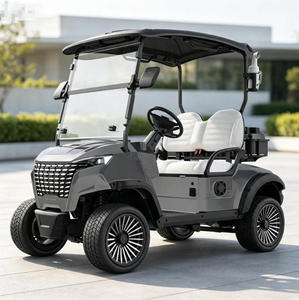
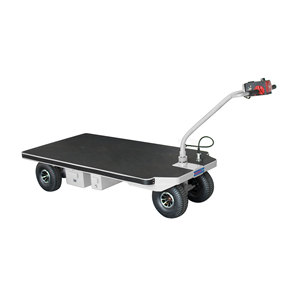
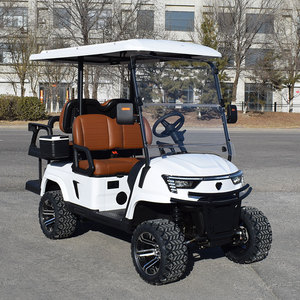
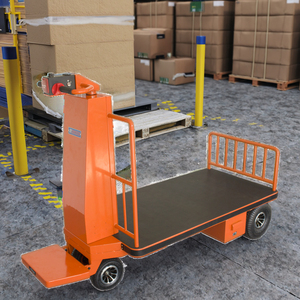
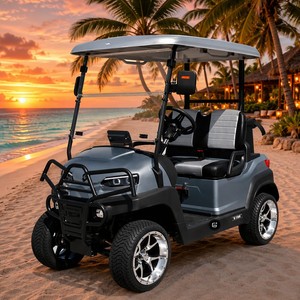
In low-speed vehicle (LSV) and industrial utility electric cart design, the bumper is far more than an aesthetic plastic trim panel. It functions as the primary kinetic energy absorption structure during low-speed impacts, protecting structural frame rails, battery housing units, and vehicle passengers.
Leading Chinese original equipment manufacturers (OEMs) have transitioned from traditional rigid steel bars to engineered multi-material bumper architectures. These combine high-density thermoplastic polyurethane (TPU) outer shells with internal honeycombed elastomeric cores and high-yield structural Q235 steel sub-frames.
This hybrid design allows carts deployed in high-intensity commercial environments—such as busy fulfillment centers, coastal golf resorts, and municipal parks—to absorb impacts up to 5 mph (8 km/h) without permanent frame deformation or battery pack compression.
Modern cart bumpers utilize finite element analysis (FEA) to calculate stress distribution. When an obstacle is encountered, the bumper’s external polymer flexes while internal brackets deform elastically, dissipating over 90% of kinetic force away from the powertrain chassis.
Evaluating Chinese cart bumper suppliers requires a deep understanding of polymer formulations, anti-corrosion surface treatments, and robotic assembly protocols.
High-Density Polyethylene (HDPE) and Thermoplastic Elastomers (TPE) deliver superior UV stabilization and cold-weather fracture resistance. Ideal for golf fleet carts exposed to sun glare and freezing temperatures, preventing discoloration and micro-cracking over years of use.
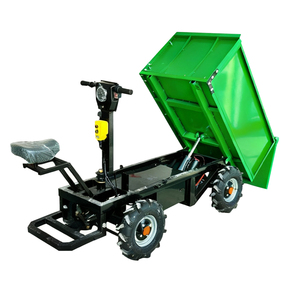
For heavy-duty flatbed utility dumpers like the Nenkeen NK-118 or off-road resort vehicles, structural tubular steel (Q235/Q355 grade) or lightweight 6061-T6 aluminum tubing provides severe-duty frontal collision defense against debris and terrain hazards.
To survive salt air in coastal resorts and humidity in agricultural facilities, steel bumper components undergo electro-deposition (E-coating) followed by thermal powder coating, exceeding 1,000 hours of ASTM B117 salt spray testing standards.
Compare structural features across vehicle tiers to select the appropriate bumper configuration for your distribution territory or commercial fleet requirements.
| Vehicle / Bumper Class | Primary Material Composition | Impact Threshold | Sensor & Tech Integration | Recommended Application |
|---|---|---|---|---|
| Standard Golf Cart Bumper | Blow-molded ABS plastic or thin PVC rubber strip | 1–3 mph (Low impact flex) | None / Basic Reflector recess | Private golf courses, gated residential communities |
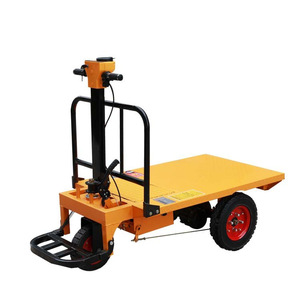
| Industrial Platform Cart (e.g. NK-118) | 304 Stainless steel perimeter ring + rubber buffer block | 3–6 mph (High payload defense) | N/A (Focus on perimeter load buffering) | Warehouses, manufacturing plants, logistics hubs |
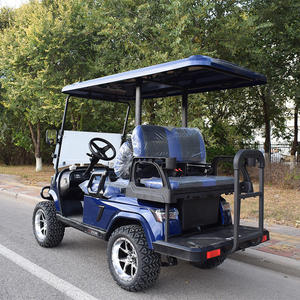
| Street-Legal LSV Bumper (e.g. Sierra AX4) | Injection TPE outer + structural steel subframe reinforcement | 5–8 mph (FMVSS 500 low-speed spec) | Integrated Backup Camera & Parking Radar | Public roads (25 mph limit), resorts, university campuses |
| Heavy-Duty Commercial Dumper Cart | Powder-coated Q355 tubular steel brush guard + steel skid plate | 8–12 mph (Off-road impact defense) | Auxiliary LED work light pods mountable | Construction sites, agricultural facilities, heavy material transport |
Understand the key technological shifts defining the next decade of Chinese OEM production to keep your fleet or retail lineup competitive in global markets.
Legacy 48V lead-acid systems are rapidly being phased out in favor of 72V Lithium Iron Phosphate (LiFePO4) power cells. Lithium configurations reduce total vehicle curb weight by up to 300 lbs, allowing bumpers and chassis frames to be reinforced with thicker steel without compromising speed or battery range (achieving 80-100km per charge).
As neighborhood electric vehicles (NEVs) become street-legal standard, bumper designs must accommodate ultrasonic proximity sensors, blind-spot radar modules, and high-definition wide-angle backup camera housings without interrupting shock dissipation pathways.
To reduce Total Cost of Ownership (TCO) for commercial fleets, leading Chinese factories are engineering multi-piece modular bumpers. Instead of replacing the entire frontal assembly after a minor impact, operators can unbolt isolated end caps or center guards, reducing maintenance costs by over 60%.
Sourcing directly from tier-one Chinese cart bumper manufacturers grants global distributors and fleet operators unmatched advantages in technical customization, structural compliance, and cost efficiency.
Clear, expert answers to key engineering, ordering, and regulatory inquiries when sourcing cart bumpers and electric mobility vehicles from China.
Standard golf cart bumpers are designed primarily for minor cosmetic shielding at speeds up to 15 mph on golf courses. In contrast, LSV bumpers (compliant with DOT FMVSS 500 standards for 20-25 mph public road use) are engineered with internal steel sub-frames, impact-absorbing elastomeric cores, integrated street-legal lighting, reflectors, and mounting points for license plates and backup camera sensors.
Yes. Leading OEM factories offer complete ODM/OEM tooling services. Based on your 3D CAD files or physical samples, engineers can fabricate high-durability injection molds for TPE/HDPE bumpers or custom tube-bending jigs for steel brush guards within 30 to 40 days, complete with custom color matching and logo embossing.
Vehicles are secured inside heavy-gauge steel framework crates using SKD (Semi-Knocked-Down) or CKD (Completely-Knocked-Down) arrangements. Bumpers and sensitive front body panels are wrapped in multi-layer shock-absorbing bubble film and strapped down to ensure zero movement or friction contact during ocean transit.
For standardized electric golf carts or industrial flatbed trolleys (such as the NK-115 or NK-118 series), standard MOQs typically start at 2 to 4 units (fitting a 20ft container) or 8 to 18 units for a 40ft HQ container. Custom-molded bumpers or bespoke chassis configurations usually require an initial batch of 20+ units to offset tooling setup costs.
Higher voltage 72V AC systems provide greater torque and acceleration, allowing vehicles to carry heavier payloads or travel up to 25 mph. Vehicles with 72V power plants require heavier-duty chassis sub-frames and reinforced bumpers to meet higher kinetic energy absorption standards required for certified low-speed vehicle safety.
Request direct factory wholesale pricing, technical CAD specifications, sample availability, or custom OEM distribution quotes today.